Reimagining online learning for nontraditional students
The University of Texas at San Antonio approached Big Tomorrow to help them reimagine a digital platform tailored to helping non-traditional learners navigate their journeys through higher education.
Company
Big Tomorrow
Client
UTSA (University of Texas at San Antonio)
Role
Lead designer
My responsibilities
Research, workshop facilitation, initial concepts, wireframes, visual comps, prototyping
01 CHALLENGE
UTSA spent a decade rebuilding the institution around its students; the next phase was rebuilding the digital experience around them.
UTSA tripled its four-year graduation rate over a decade from 6% in 2010 to 32% in 2022 by rebuilding advising, retention, and student-services infrastructure for a student body that is majority Hispanic, 44% first-generation, and overwhelmingly transfer, working, and part-time.
UTSA, as well as other institutions for higher education, face increased pressure in a number of areas:
Student retention and persistence
Low engagement from non-traditional students
Fragmented digital experiences
Rising student support costs
Difficulty scaling advising services
Non-traditional students face challenges such as:
Complex schedules
Limited campus engagement
Administrative friction
Decision fatigue
Lack of personalized guidance
Difficulty understanding pathways and requirements
Adhering to the rigid structuring of higher education that doesn’t easily accomodate their complicated life situations
02 APPROACH
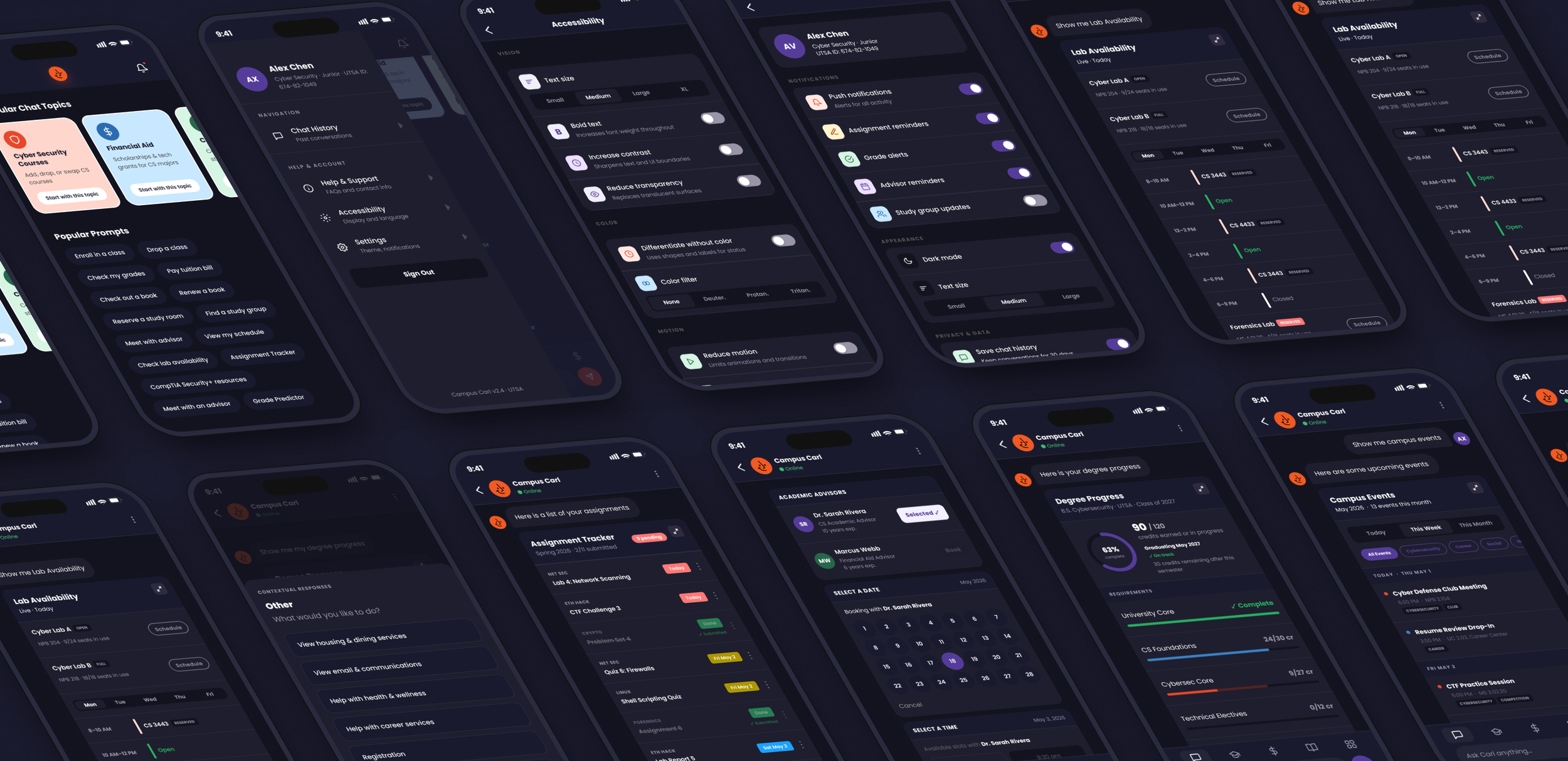
I partnered closely with The University of Texas to map multiple student journey pathways, informing the design of a more thoughtful online learning platform tailored to the unique needs of each learner. This resulted in a newly designed student dashboard, marketplace, and AI-powered digital student companion.
Student lifecycle
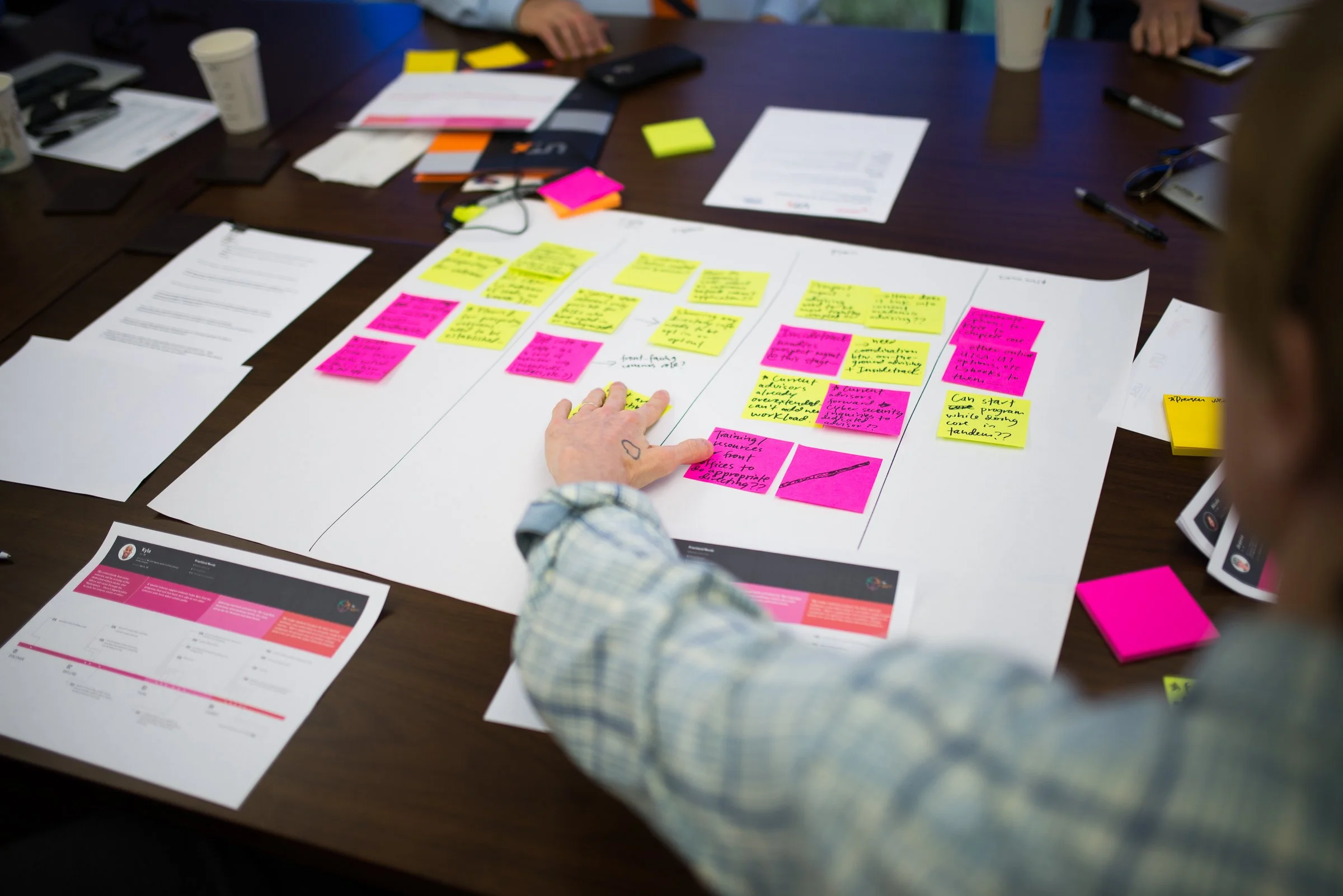
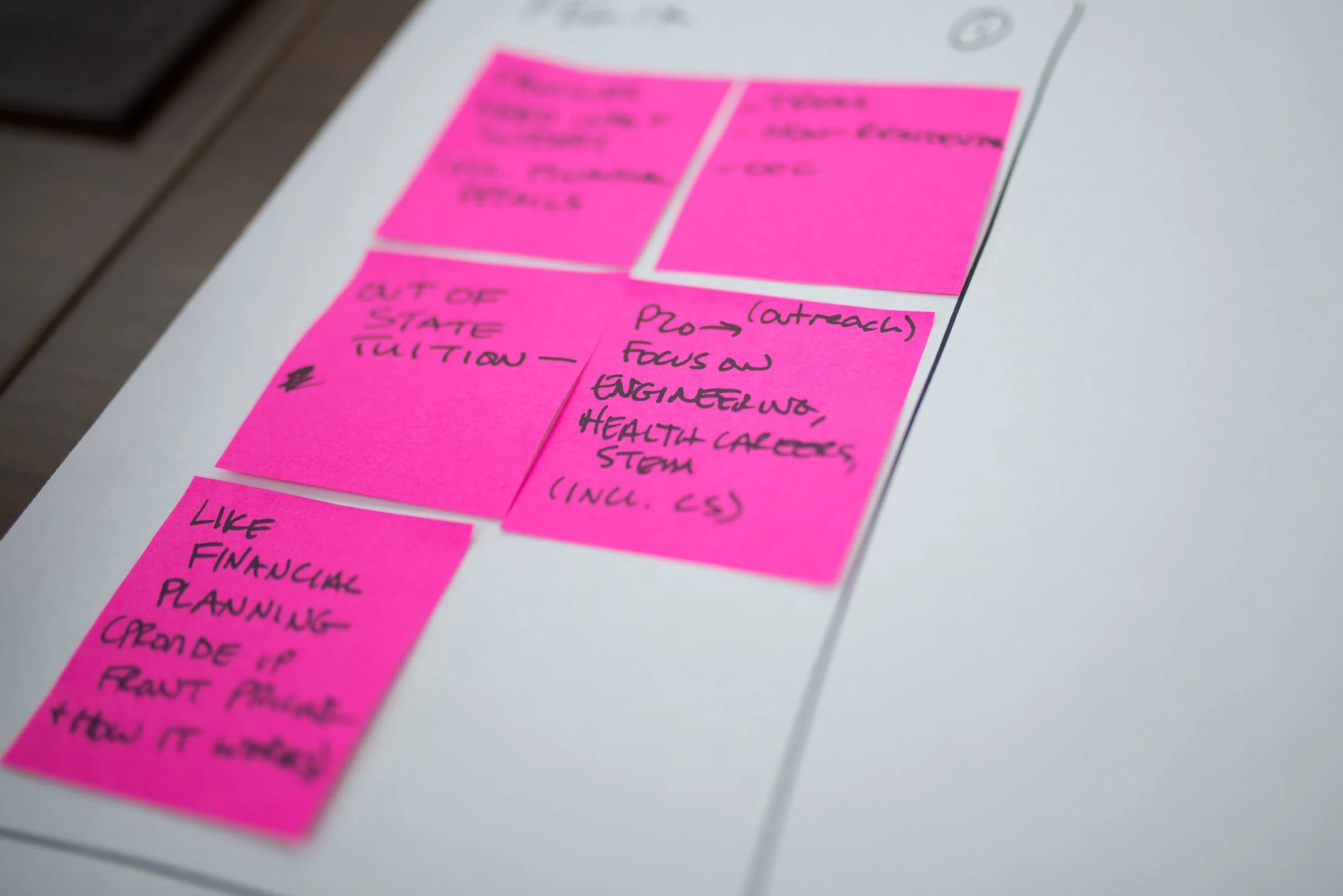
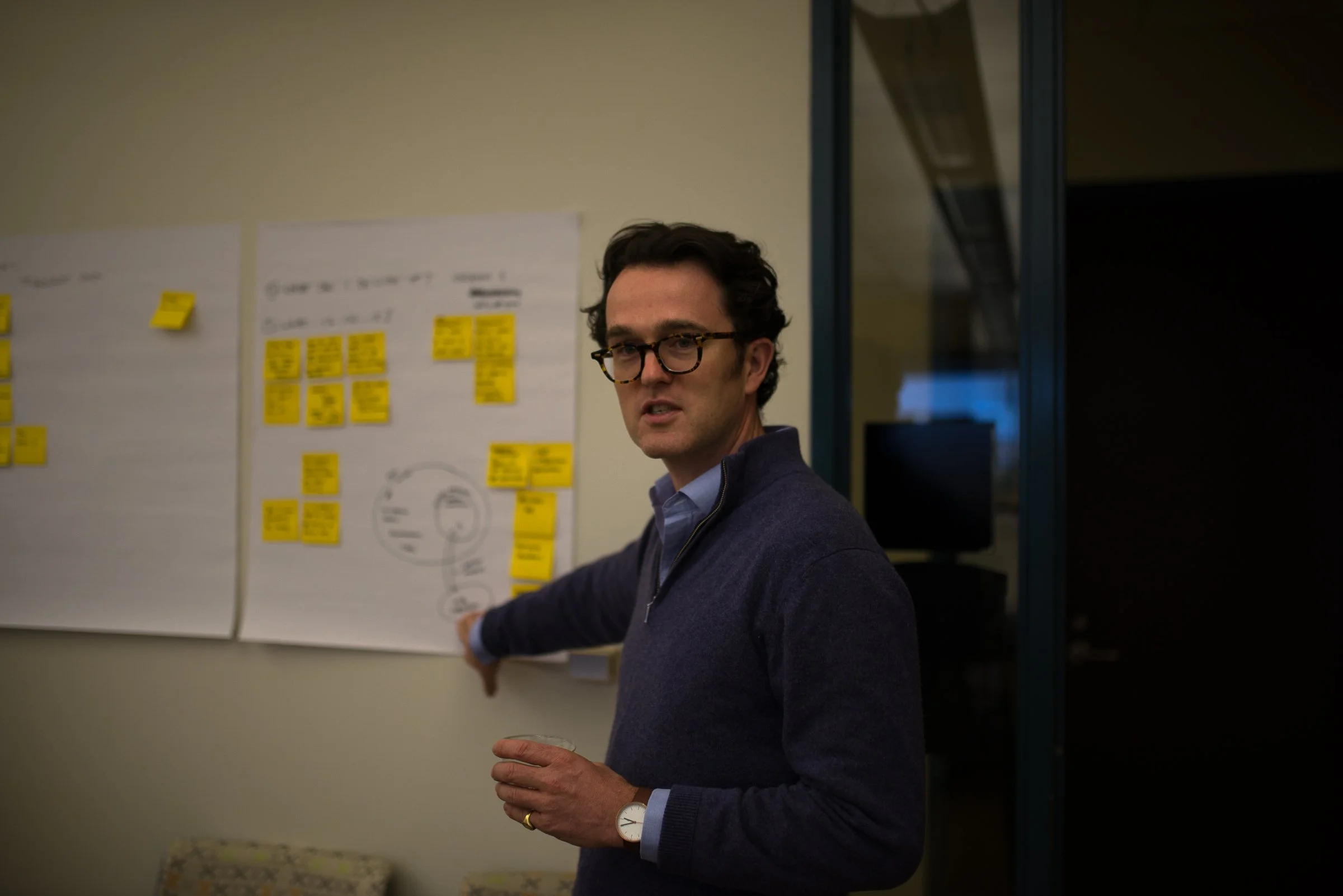
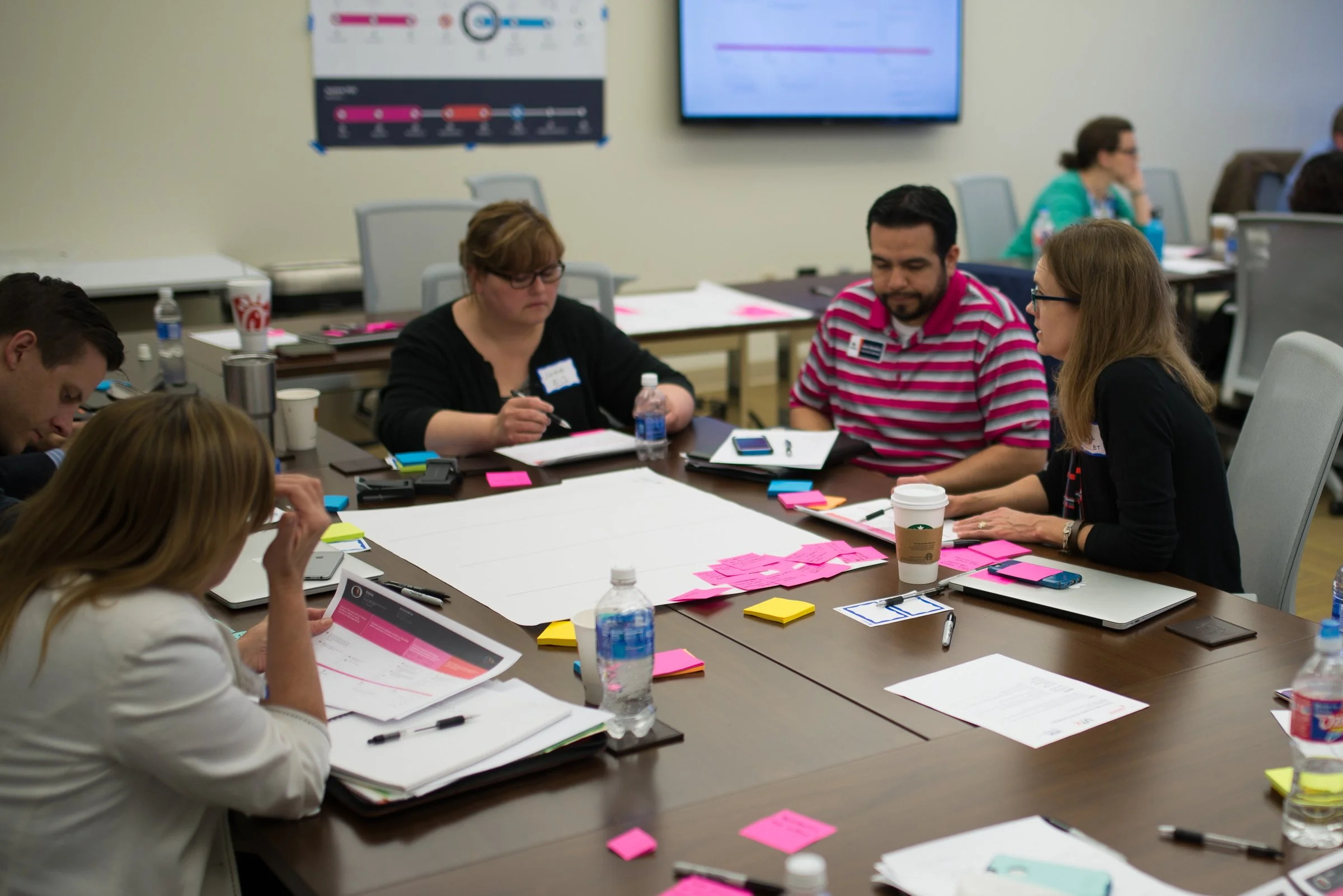
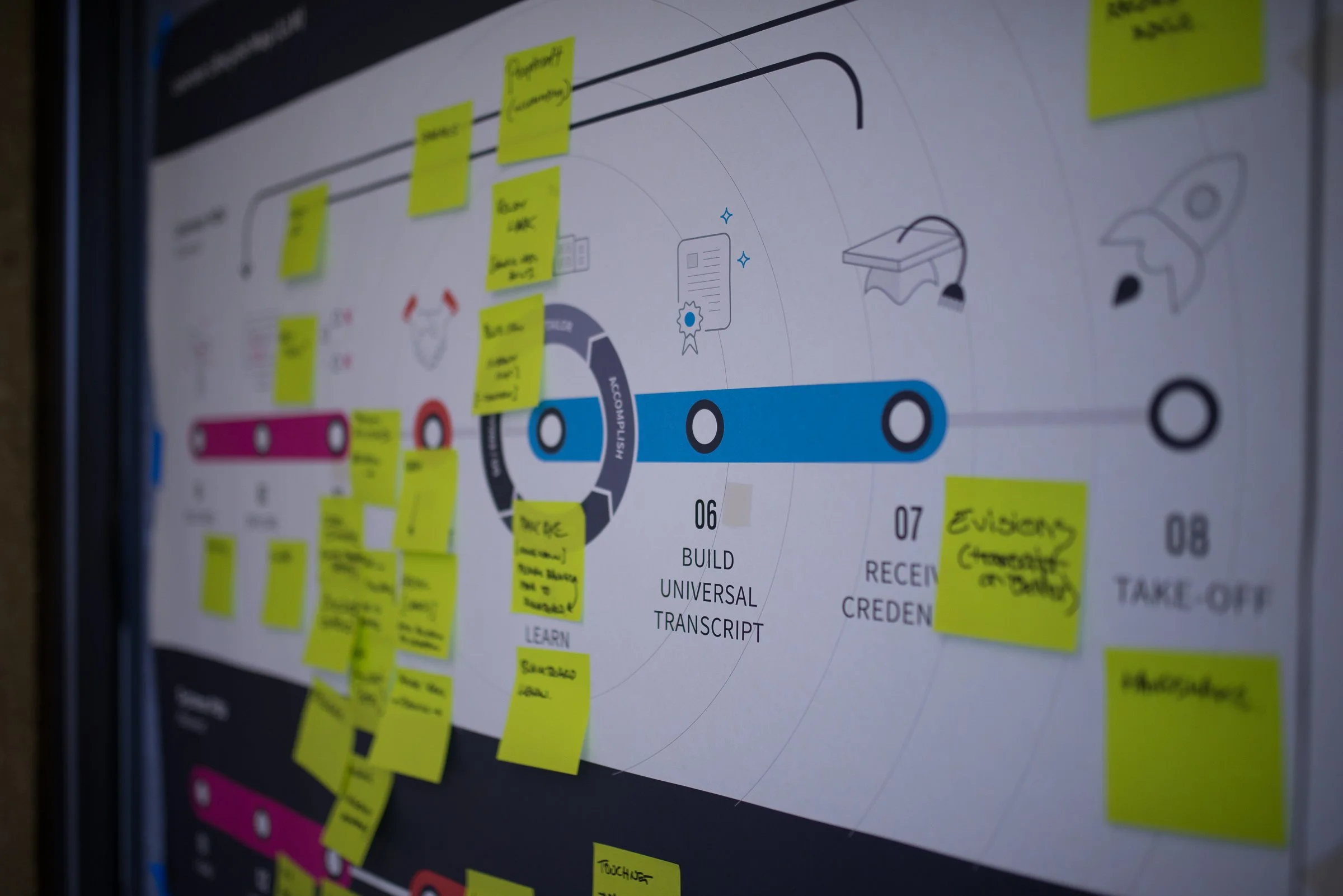
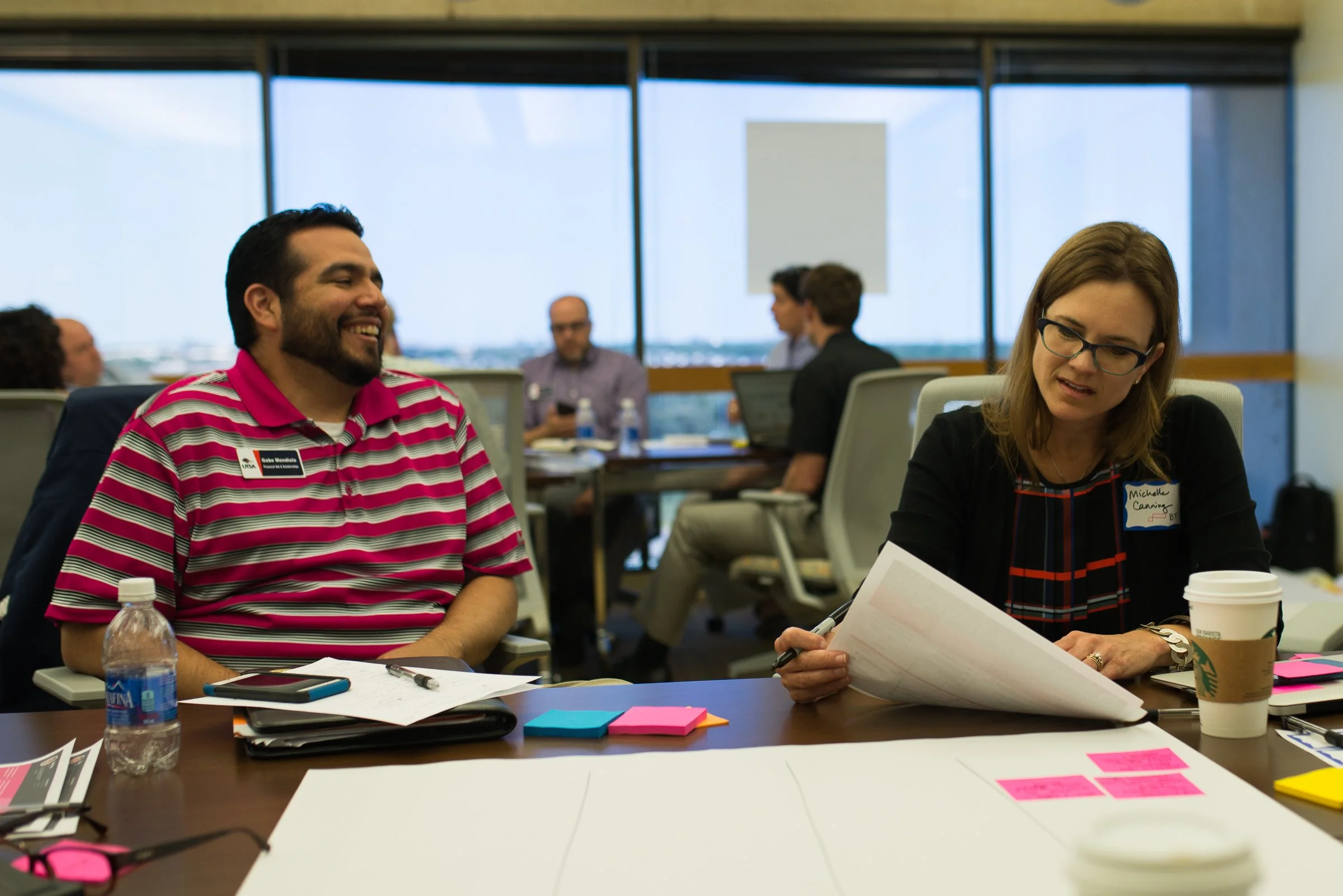
We facilitated a series of workshops with UT and faculty from across departments to map the student lifecycle. The resulting learner lifecycle map highlights key moments across the experience—from the Marketplace to the Learning Dashboard to the Activity Player—while surfacing opportunities to align triggers, interventions, the community of care, and enabling systems along the journey.
Designing adaptive dashboards through non-traditional learner personas
Overview
I was tasked with improving the learner dashboard experience for a diverse audience with widely different motivations, behaviors, and support needs. Early research showed that traditional personas based on role, age, or experience level were too broad to meaningfully guide design decisions. Learners with similar demographics often interacted with the platform in completely different ways.
In order to create a more effective experience, we shifted toward building non-traditional learner personas based on behaviors, goals, emotional drivers, and learning contexts. These personas became the foundation for identifying, designing, and prioritizing dashboard modules tailored to distinct learner needs.
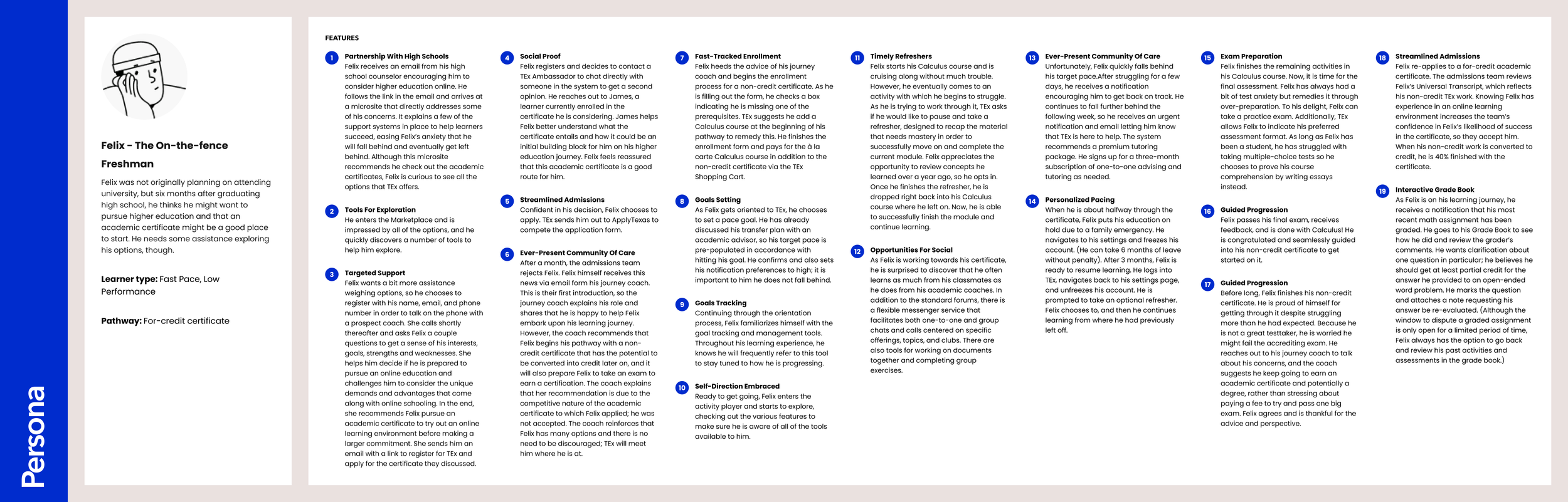
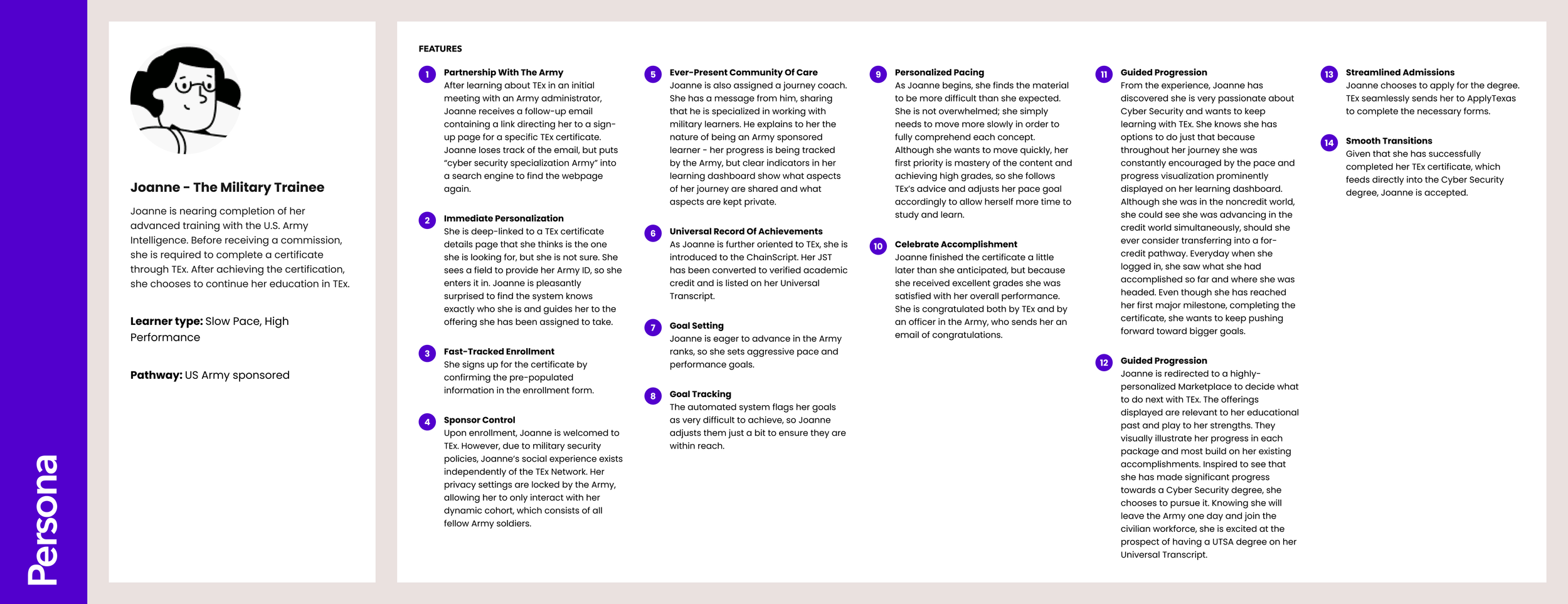
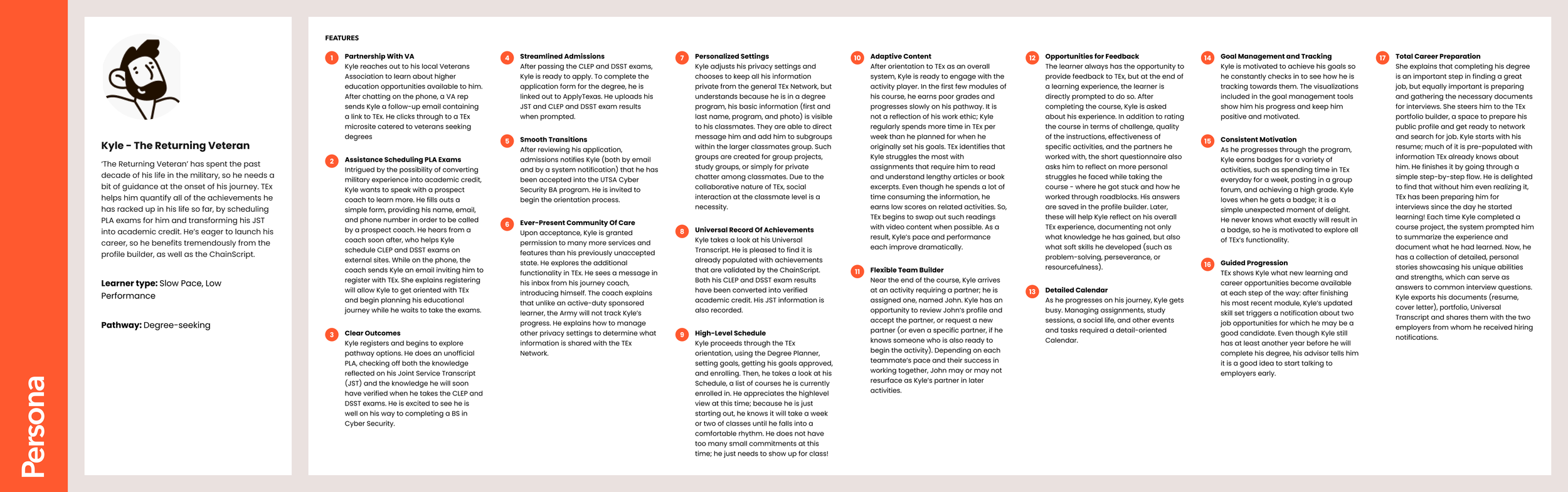
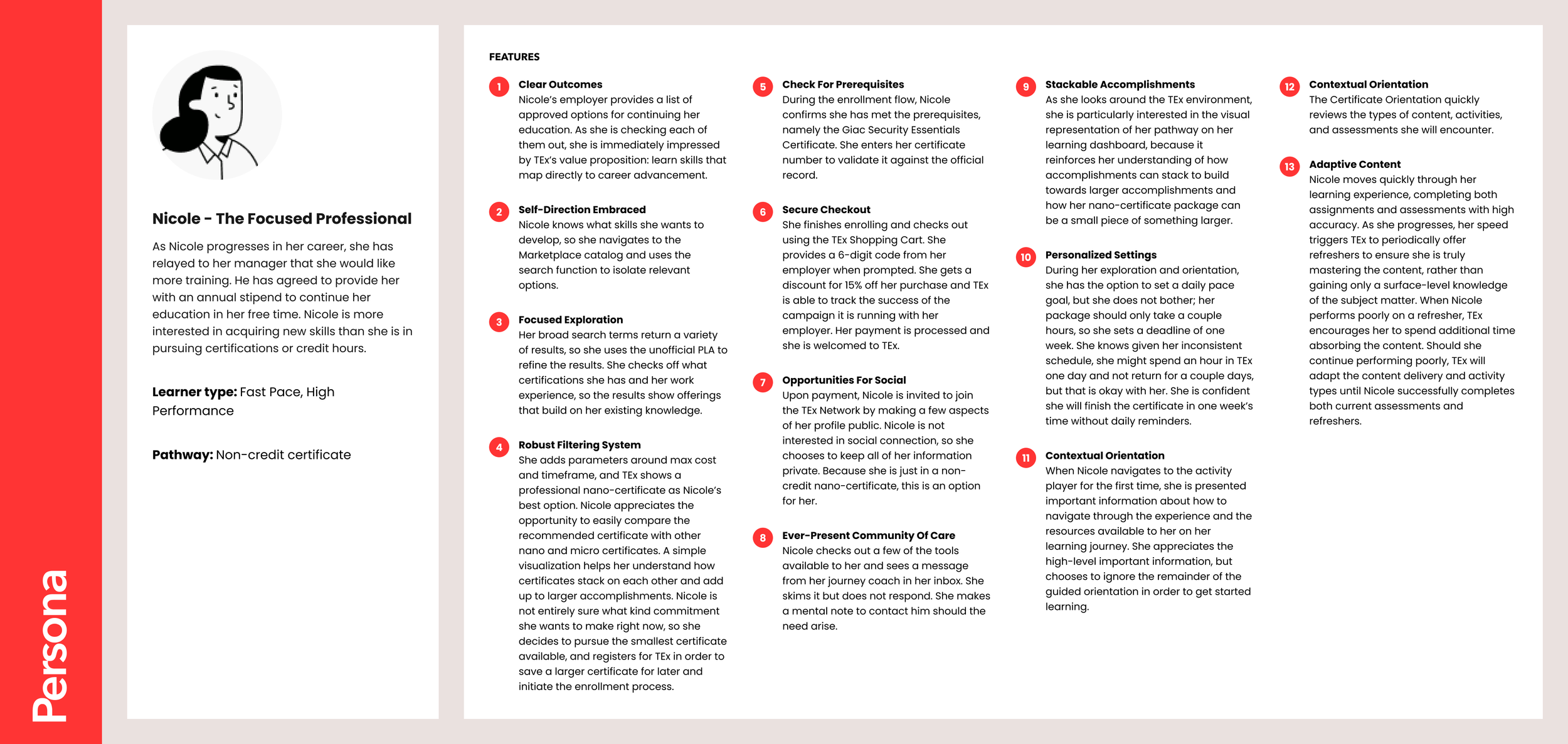
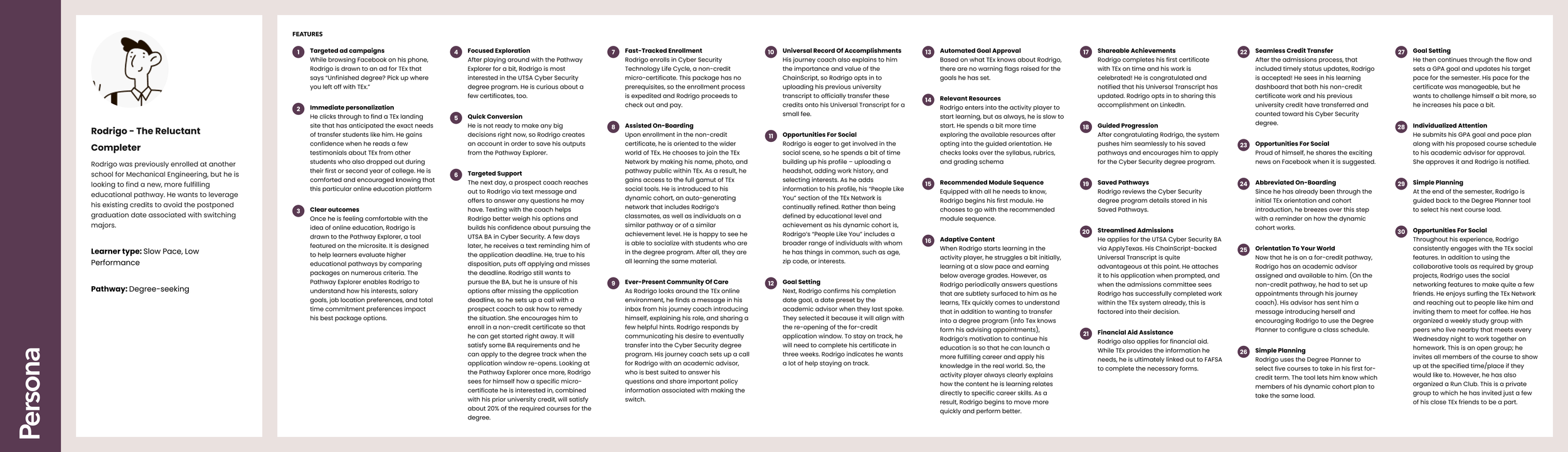
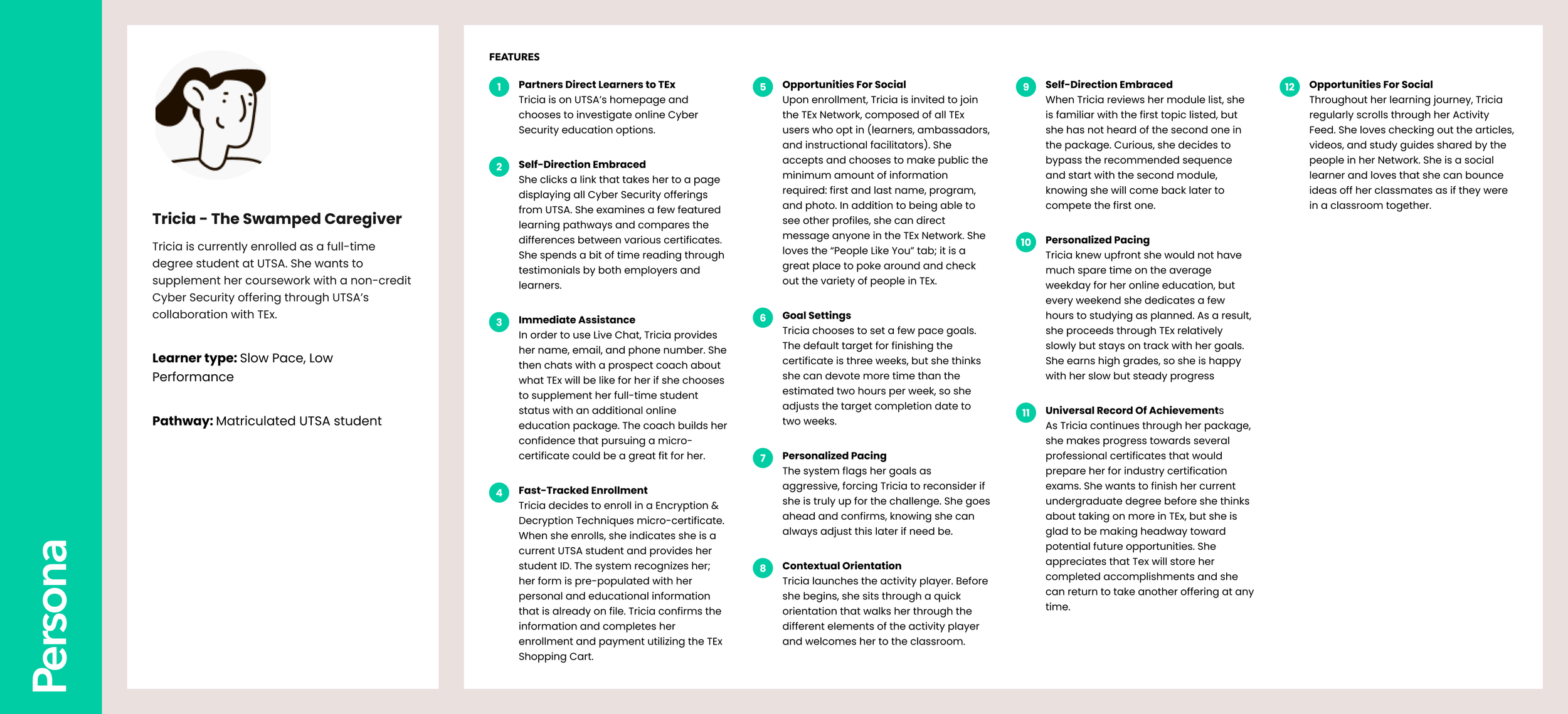
Personas
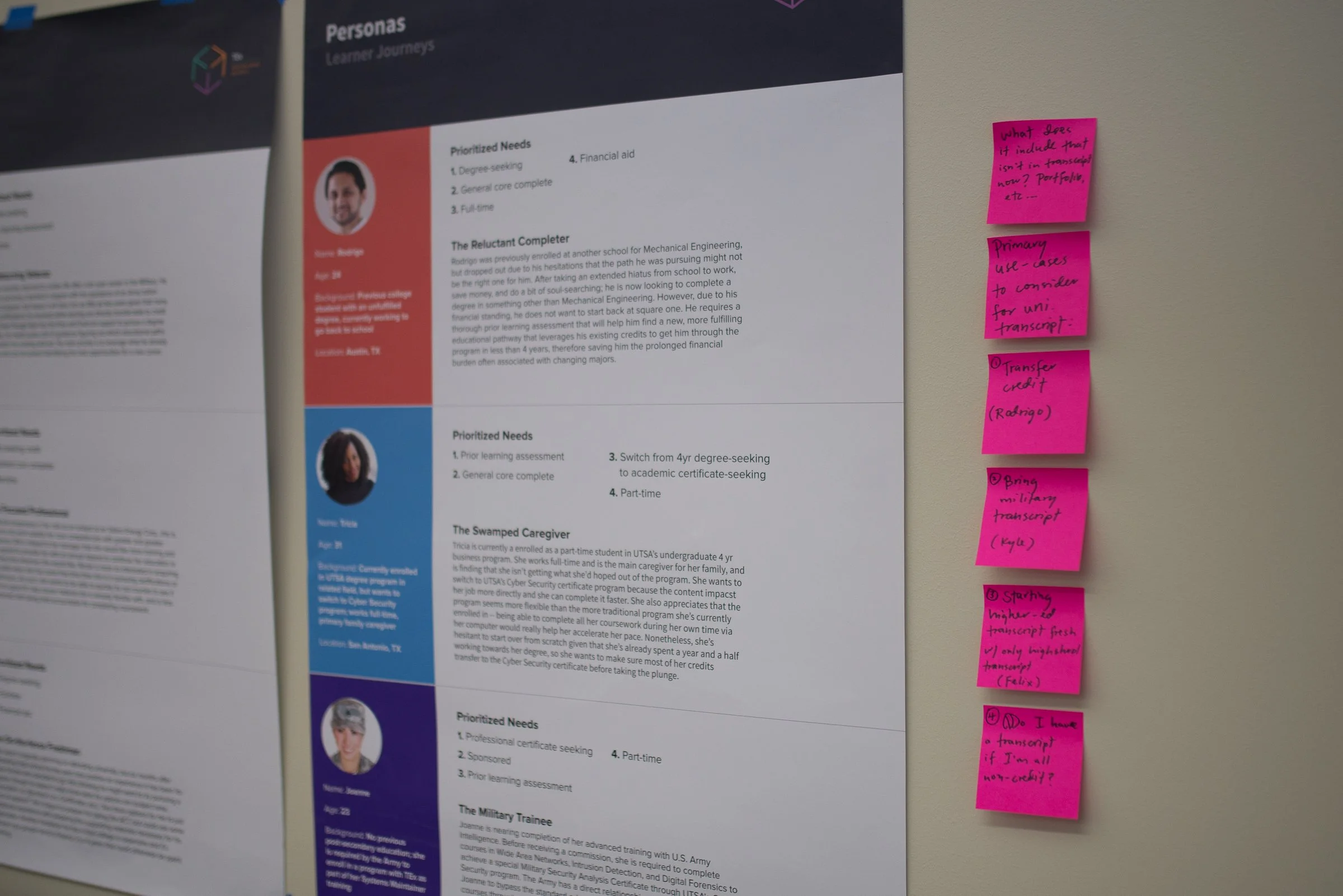
The team developed personas to better understand the needs, motivations, and barriers of non-traditional students. Instead of designing for a generic “student,” the team grounded product decisions in realistic learner archetypes built from interviews, behavioral research, enrollment data, and student support insights.
The personas represented a wide spectrum of life situations and educational motivations:
The Returning Veteran — Transitioning from military service into academics, valuing structure, clarity, and career alignment while navigating identity shifts and administrative complexity.
The On-the-fence Freshman — Uncertain about college value and direction, needing reassurance, guidance, and early wins to stay engaged.
The Swamped Caregiver — Balancing education with caregiving and household responsibilities, prioritizing flexibility, mobile access, and low-friction experiences.
The Military Trainee — Completing coursework alongside demanding training schedules, requiring asynchronous learning and resilient access across devices and environments.
The Focused Professional — Career-oriented and efficiency-driven, seeking credentialing, advancement, and streamlined pathways with minimal wasted time.
The Reluctant Completer — Previously stopped out or disengaged, often carrying frustration or self-doubt, needing encouragement, simplicity, and momentum-building support.
Journey mapping
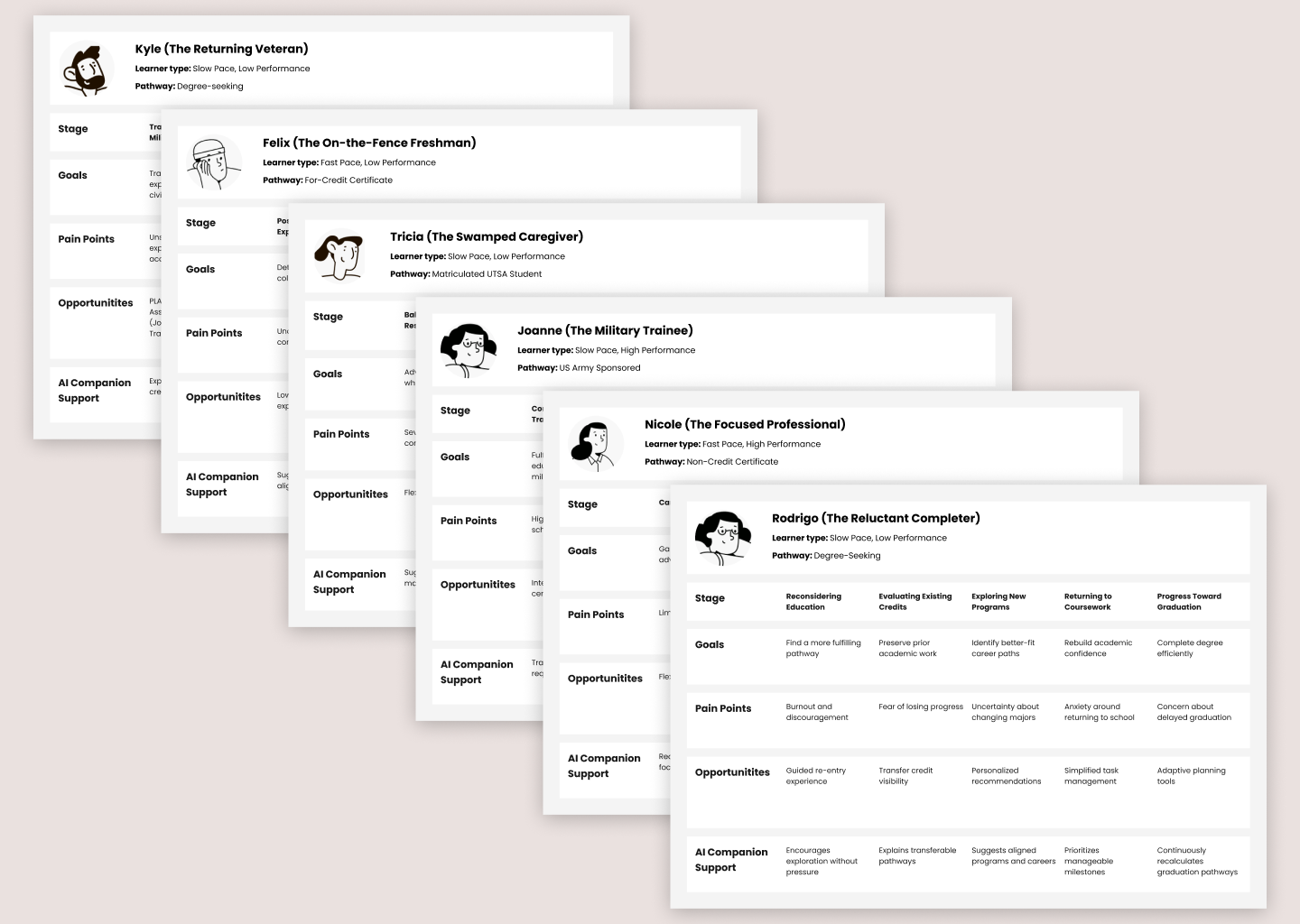
To determine which components should appear most prominently for each learner type, we conducted a prioritization workshop to map out the different journeys of each of our established personas. Through this process we were able to evaluate:
What information students needed most urgently
What actions created the greatest friction
Which workflows most impacted persistence and completion
What support students needed during high-stress moments
Guided discovery for non-traditional learners
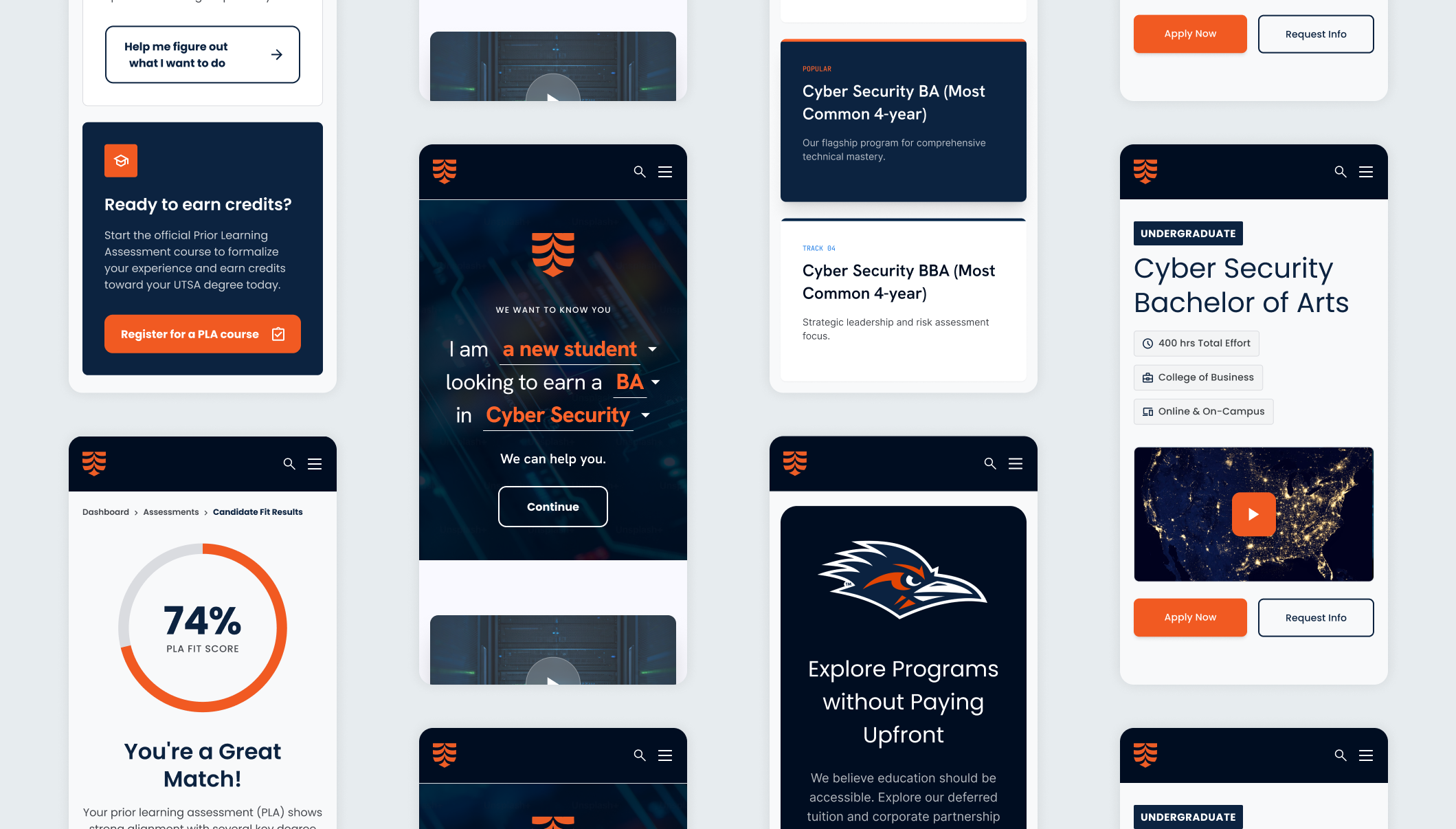
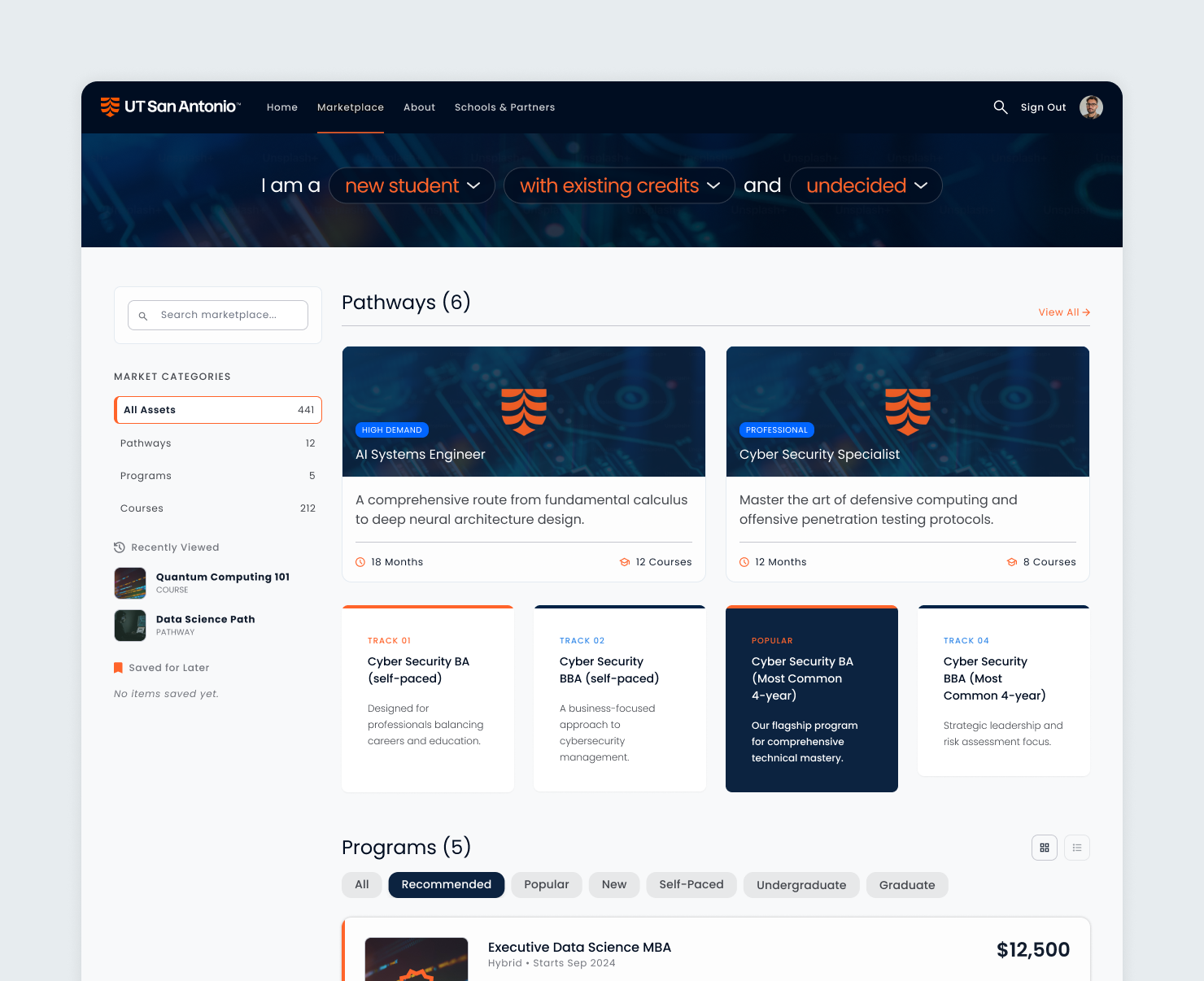
The first phase of the project focused on helping prospective students navigate an often overwhelming higher education landscape by creating a highly personalized discovery experience. At the center of the homepage was an ad-libs style assessment that allowed users to describe who they are, their educational background, career goals, and the types of degree or credential pathways they were interested in pursuing. The assessment then guided students through a series of tailored questions designed to evaluate their eligibility and fit for Prior Learning Assessment (PLA) opportunities, helping them understand how existing work, military, or life experience could translate into academic credit.
Personalized marketplace for every learner
Using insights gathered during the discovery assessment, we designed a dynamic marketplace that adapts to each student's unique background, goals, and circumstances. Rather than presenting an overwhelming catalog of programs and courses, the experience surfaces the most relevant pathways, degrees, certifications, and learning opportunities based on factors such as prior credits, career aspirations, educational history, and eligibility for Prior Learning Assessment (PLA). This personalized approach helps prospective students quickly identify options that align with their needs, reduces decision fatigue, and creates a clearer path from exploration to enrollment. By transforming student intent into tailored recommendations, the marketplace serves as a guided navigation tool that empowers learners to confidently take the next step in their educational journey.
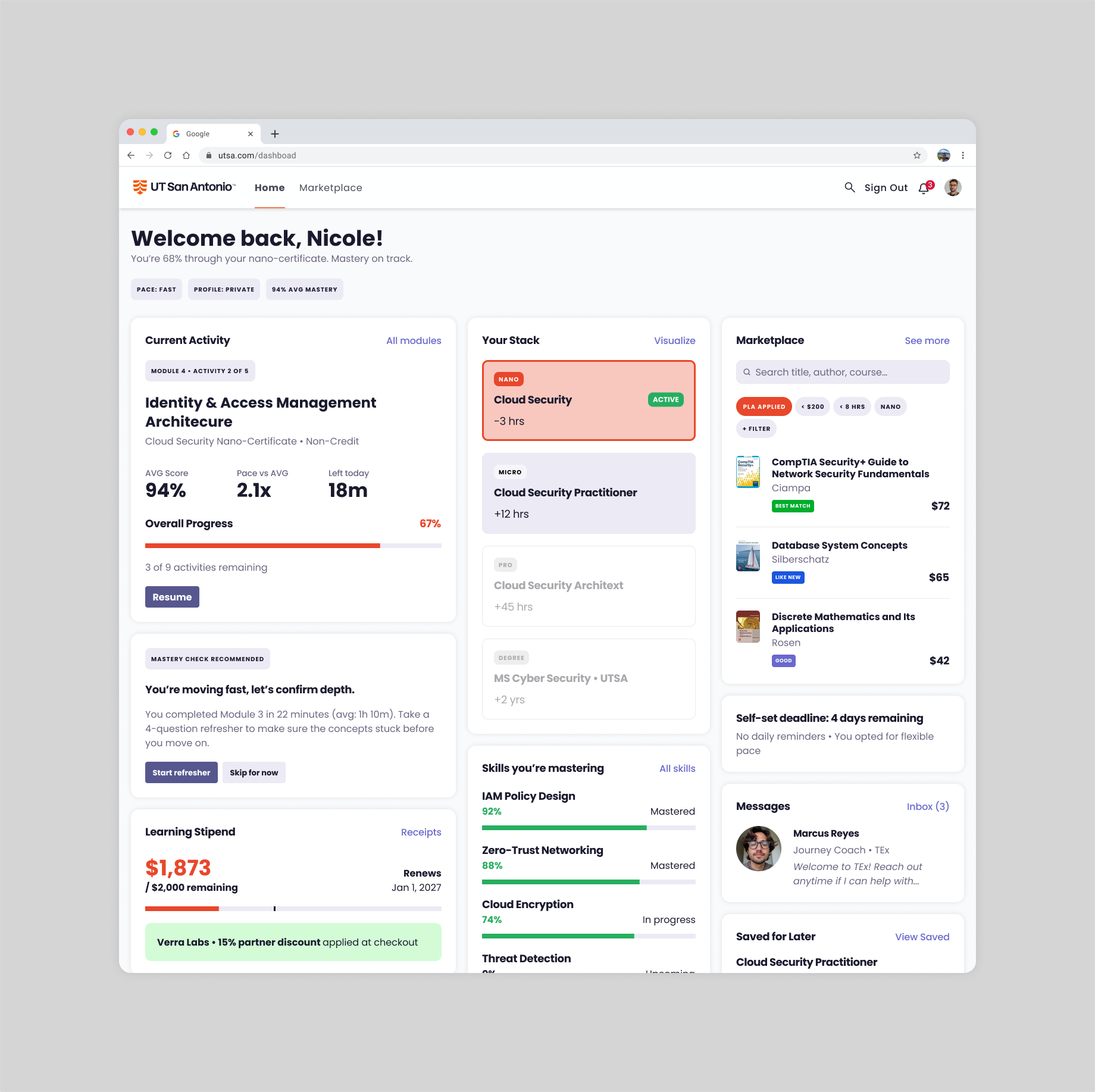
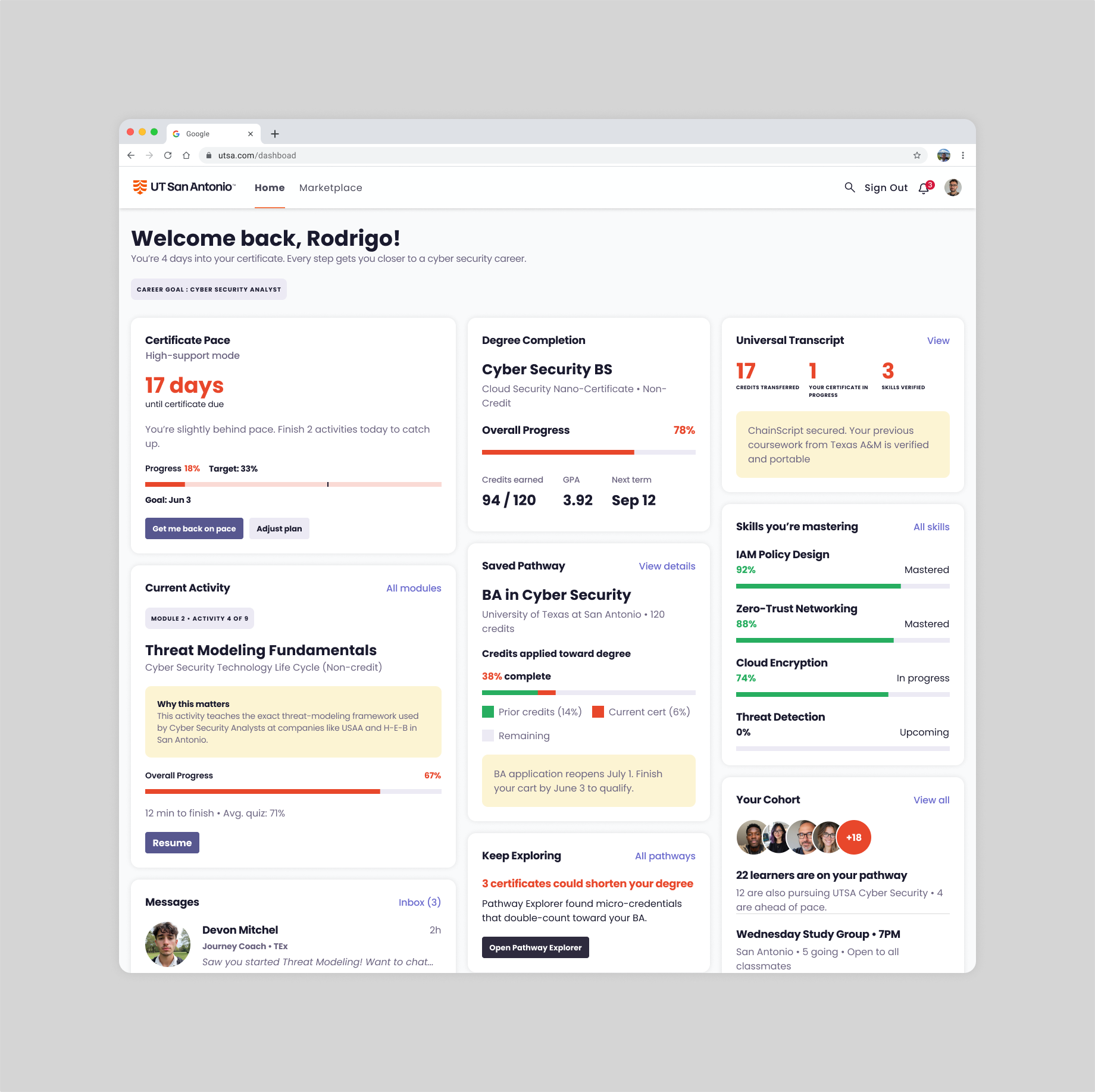
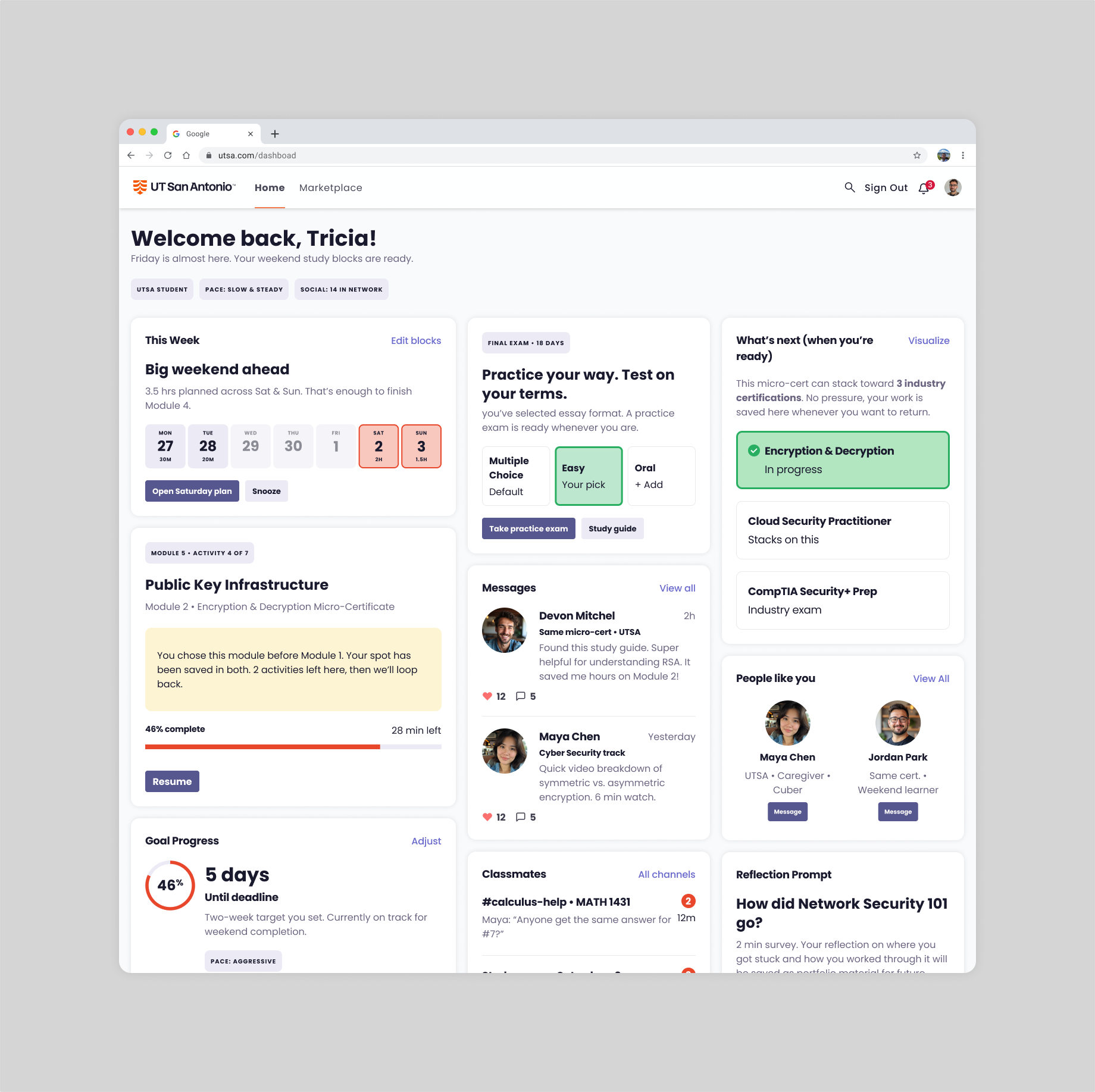
Persona-driven dashboards
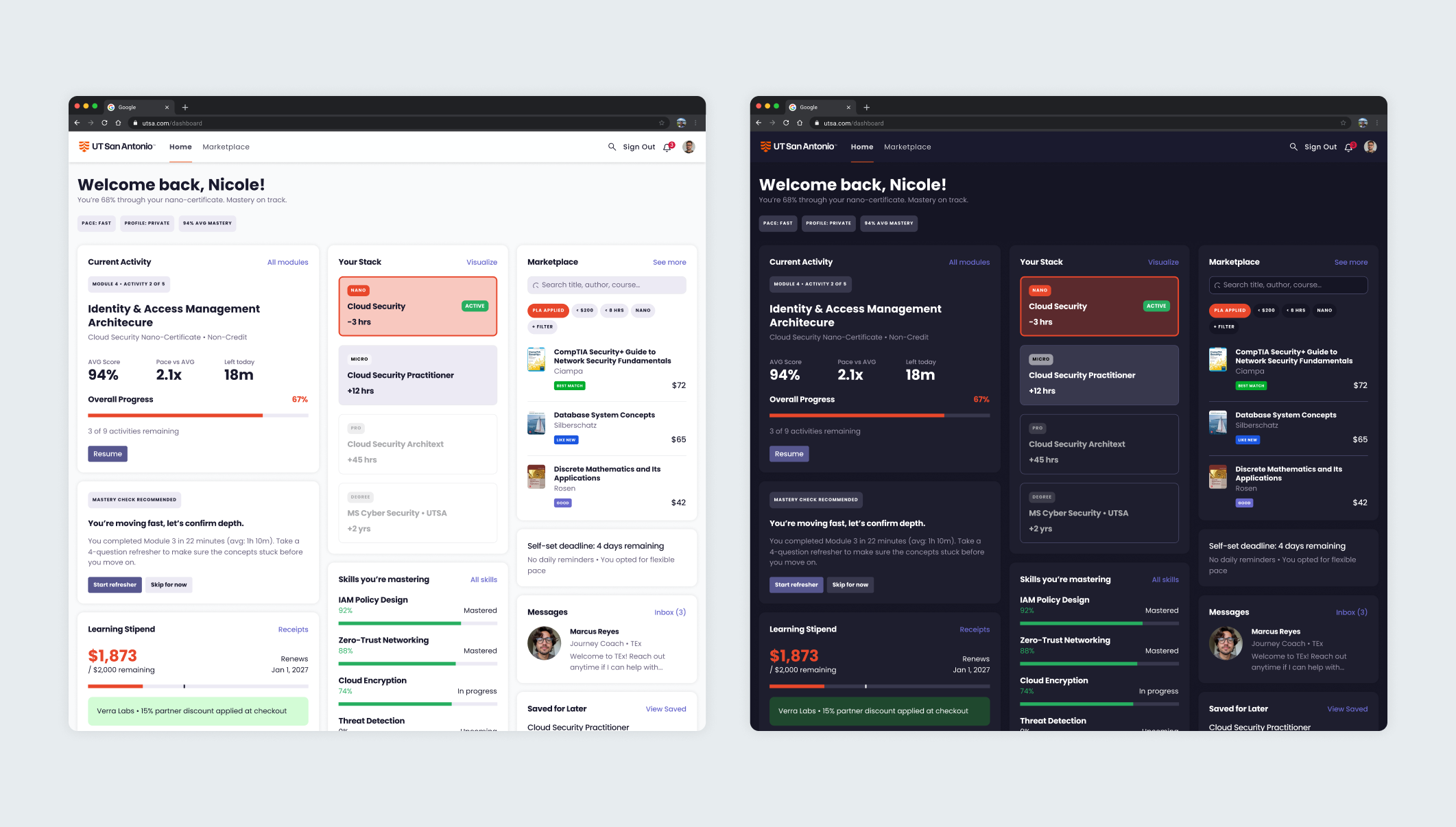
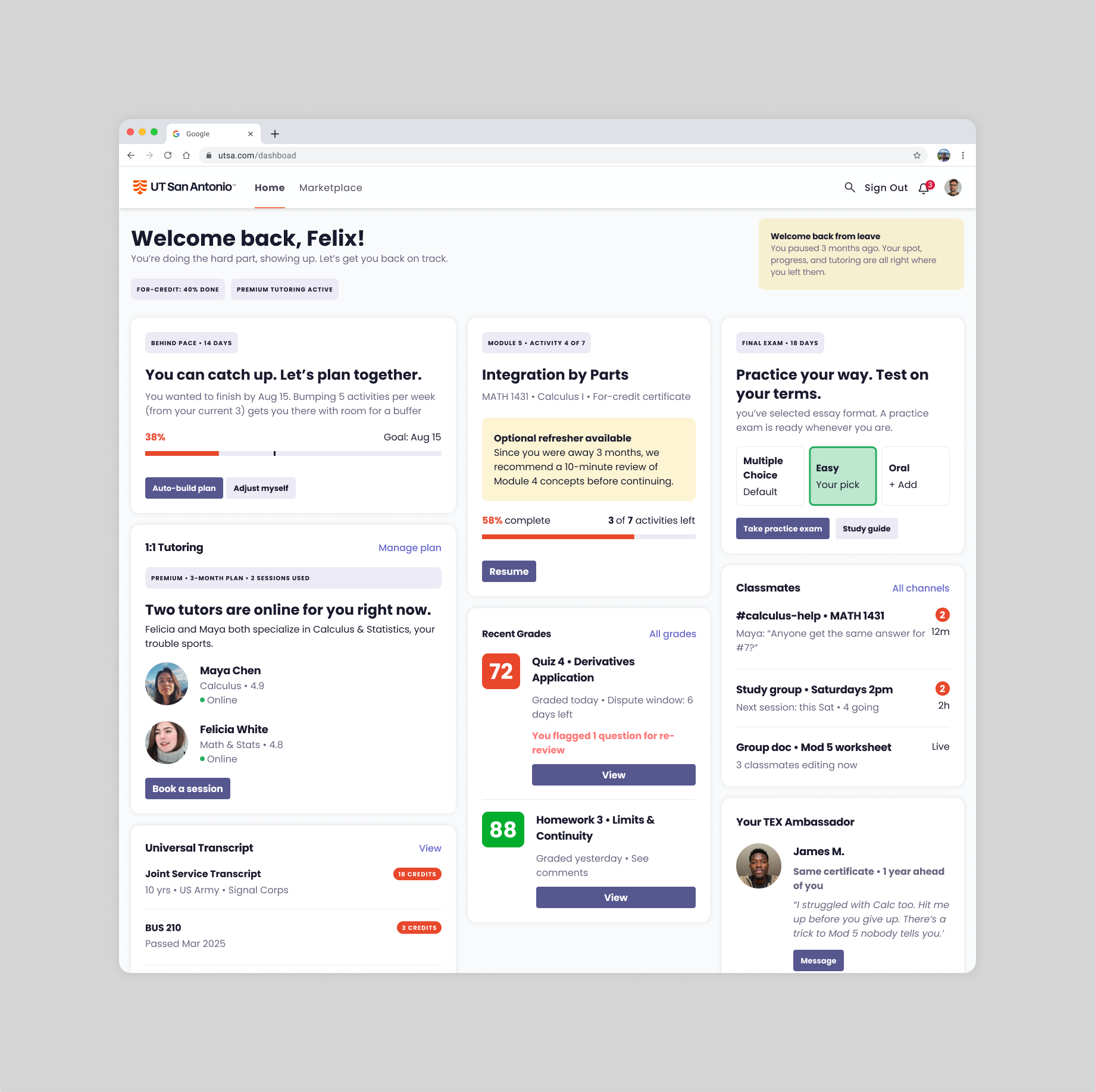
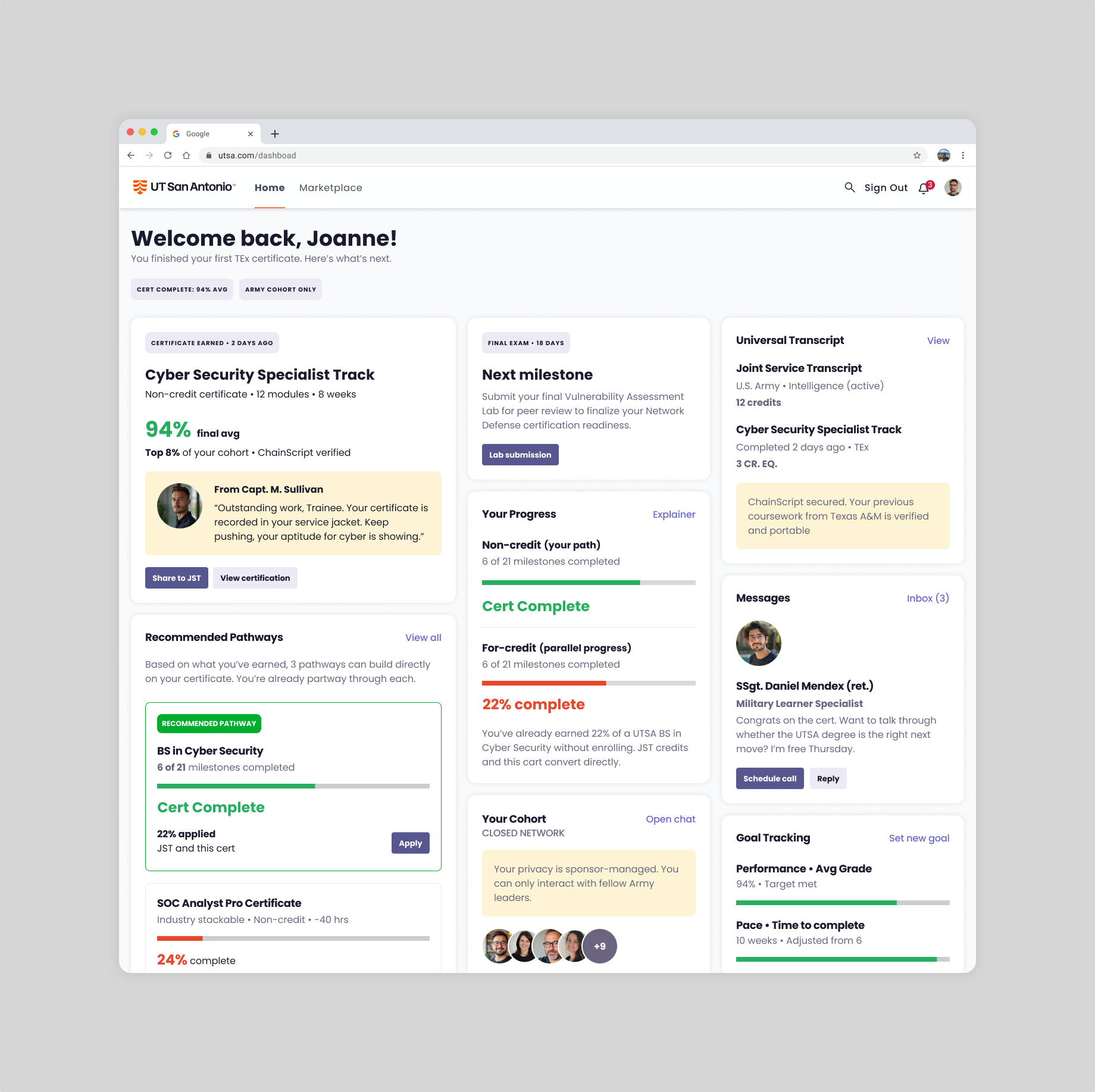
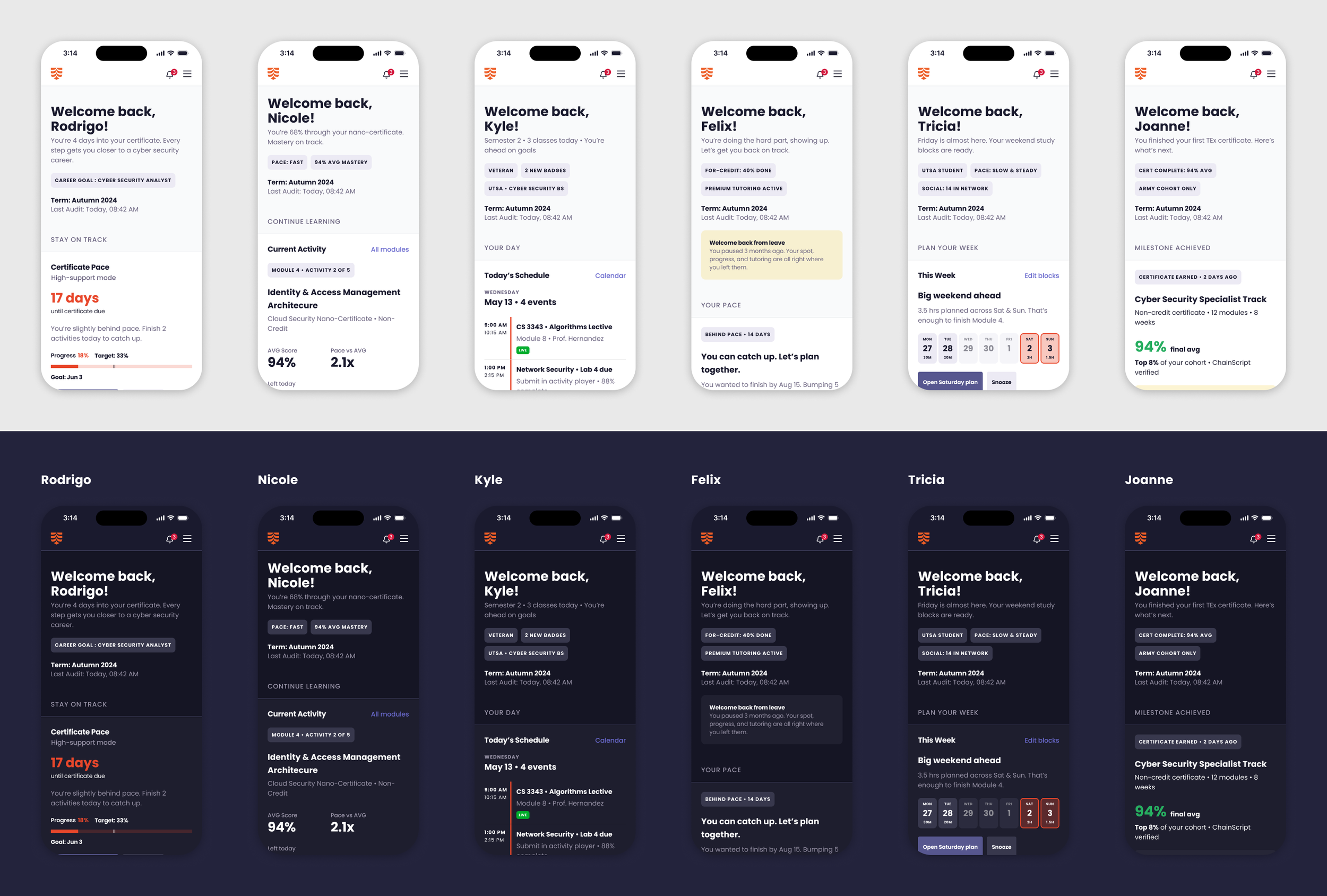
Using the previously defined personas, I designed highyl personalized dashboards that dynamically surfaced the information, resources, and next steps most relevant to each student's goals and circumstances. Dashboard content including recommended programs, degree pathways, financial aid opportunities, transfer credit guidance, Prior Learning Assessment eligibility, academic milestones, and support services was tailored to align with each persona's motivations, challenges, and decision-making needs. By grounding the experience in real learner archetypes, we created a more relevant, supportive, and actionable experience that reduced complexity and helped students confidently progress toward enrollment and degree completion.
Building the dashboard component library
We first identified the core information and actions students needed throughout their educational journeys. These were translated into reusable dashboard modules that could be combined, prioritized, or surfaced differently depending on the learner.
Examples of components included:
Upcoming assignments and deadlines
Course progress tracking
Registration and enrollment alerts
Financial aid reminders
Career recommendations
Each component was designed as part of a scalable system with consistent interaction patterns, hierarchy, and responsive behavior across devices.
Evolution from student dashboard to AI-powered digital companion
What began as an effort to redesign the student dashboard quickly evolved into a broader exploration of how institutions support non-traditional learners throughout their educational journeys. While tailored student dashboards improved the experience for non-traditional learners, students still struggled with navigating complexity, uncertainty, and competing life responsibilities.
Through research and journey mapping with non-traditional learners, the team discovered that many students were not engaging consistently with traditional dashboards, not because the information lacked value, but because the interaction model itself often required too much time, attention, and cognitive effort.
However, non-traditional students frequently interacted with their education in shorter, more fragmented moments throughout the day between work shifts, during commutes, while caring for family members, or late at night after other responsibilities were complete.
This insight led the team to explore a more accessible and conversational interaction model through an AI-powered digital student companion.
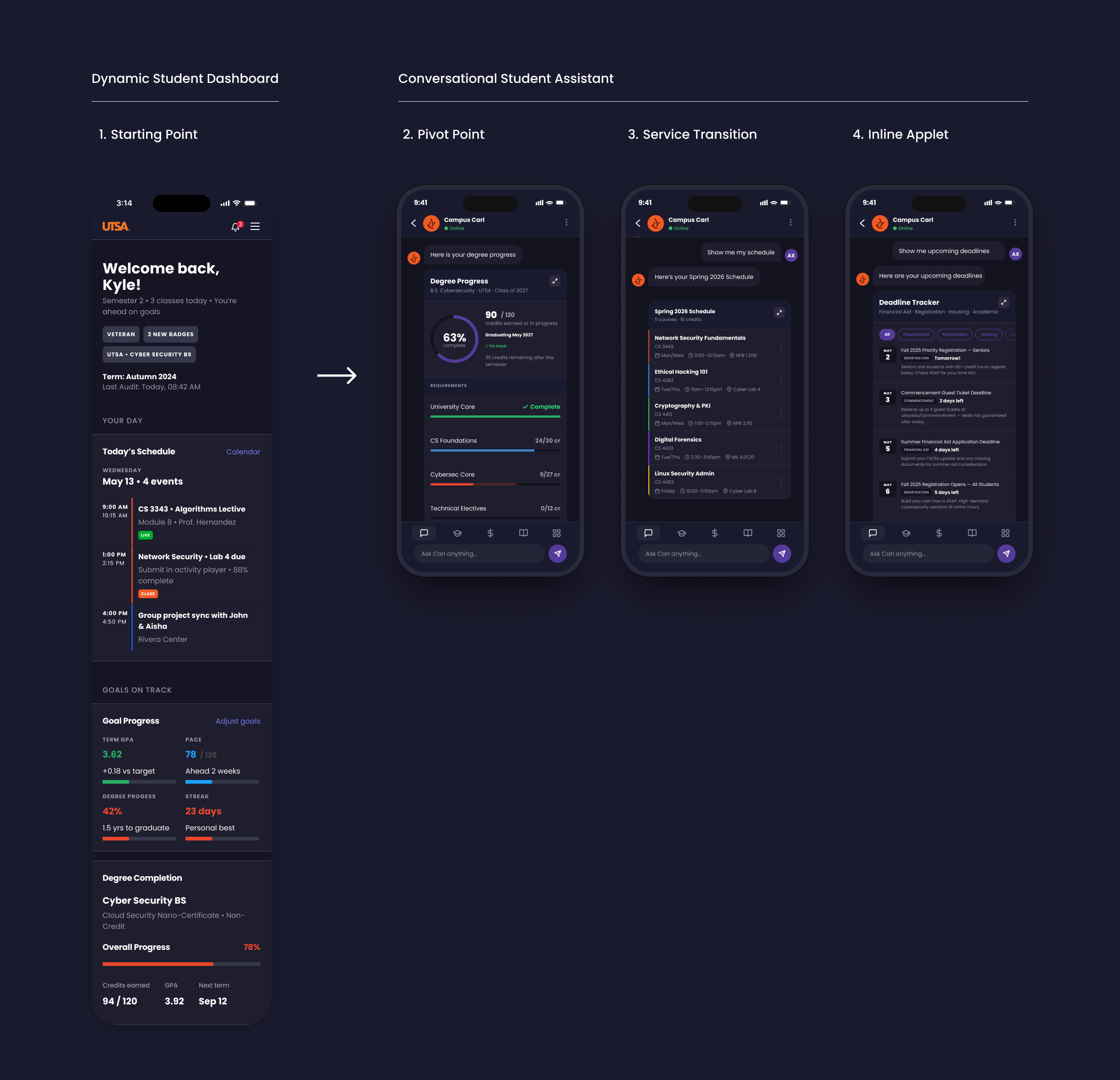
From dashboard to conversation
Starting Point — A dynamic, comprehensive student dashboard. Information-rich, but students wanted decisions.
Pivot Point — Students wanted guidance, not a wall of data.
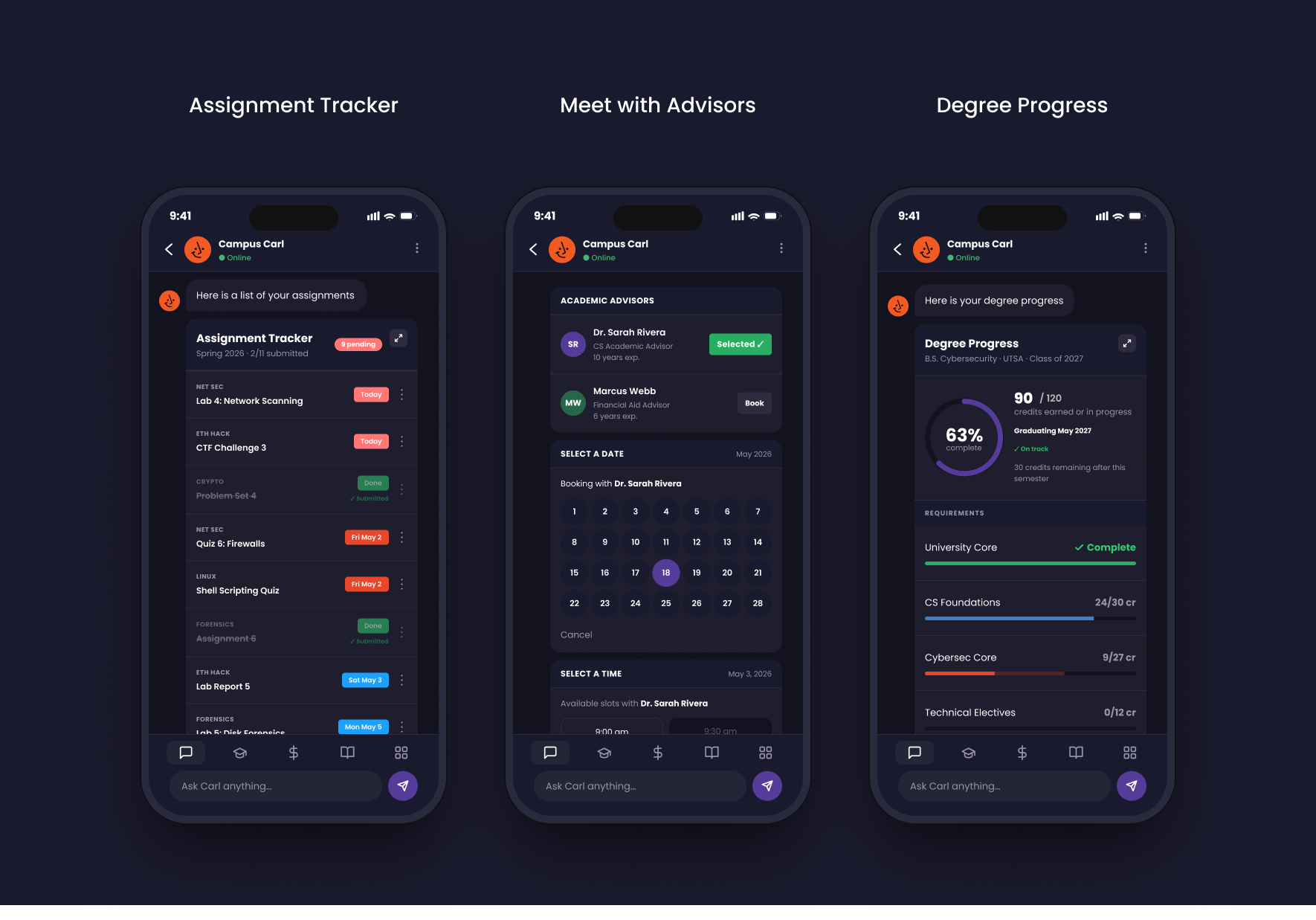
Service Transition — Conversation hands off to traditional calendar UI.
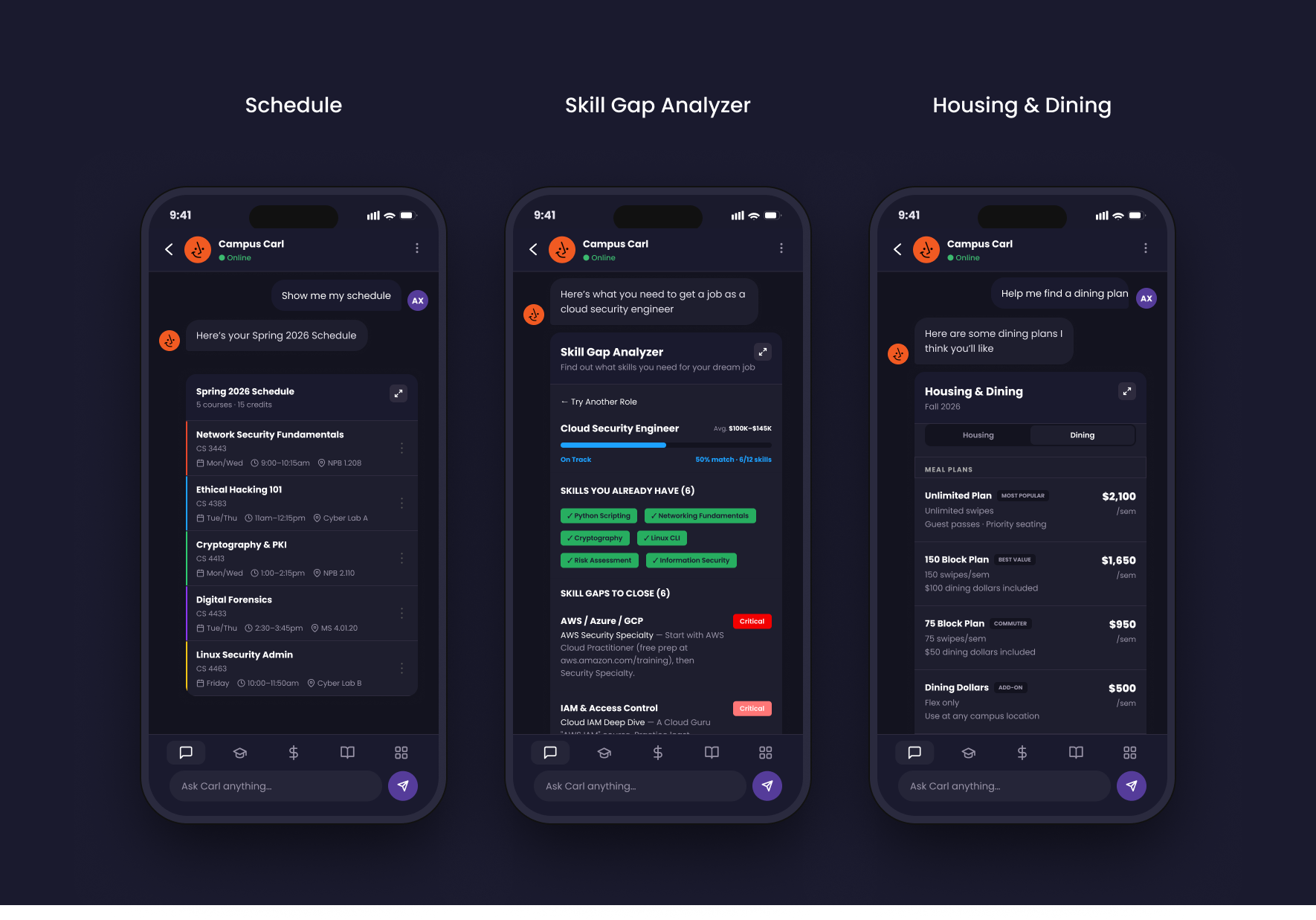
Inline Applet — Complex task surfaced inside the chat thread without breaking flow.
Designing for real-life contexts
The conversational approach better aligned with the realities of non-traditional students because it supported:
Quick, mobile-first interactions
Asynchronous engagement
Low cognitive load
Just-in-time guidance
Personalized recommendations
Task prioritization during high-stress periods
Instead of requiring students to interpret data and determine next steps themselves, the AI could proactively surface the most relevant information and help students act more confidently in the moment.
Blending conversational and traditional UI
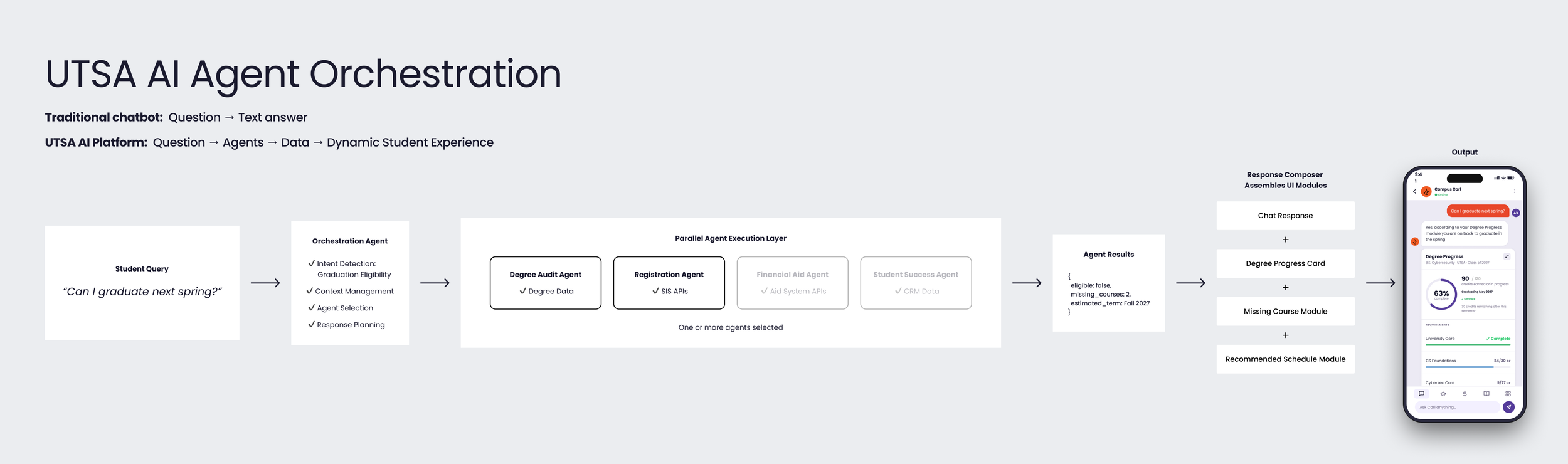
In order for the university to deliver a truly context-driven experience that is both flexible and legible, an AI-first interaction model needs to blend the best of conversational and traditional interfaces:
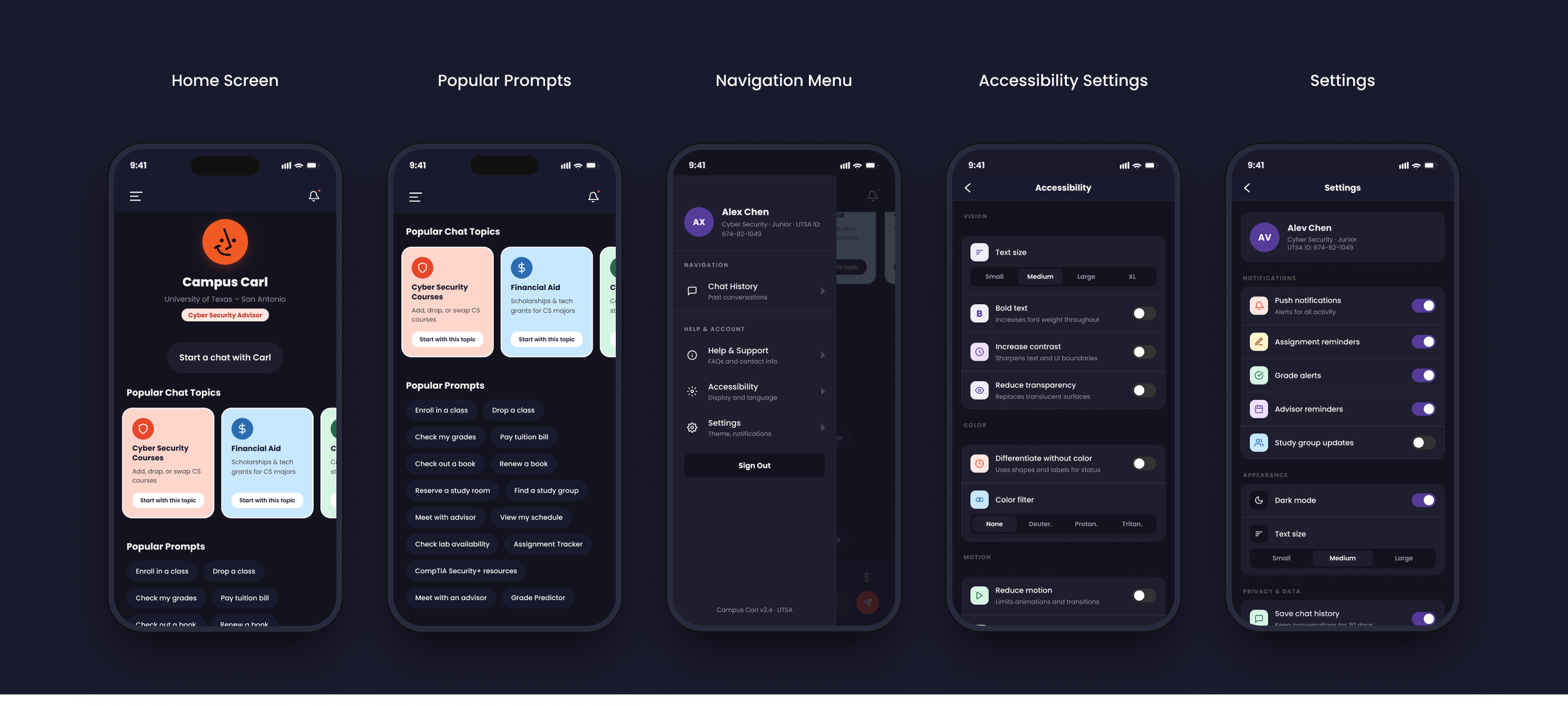
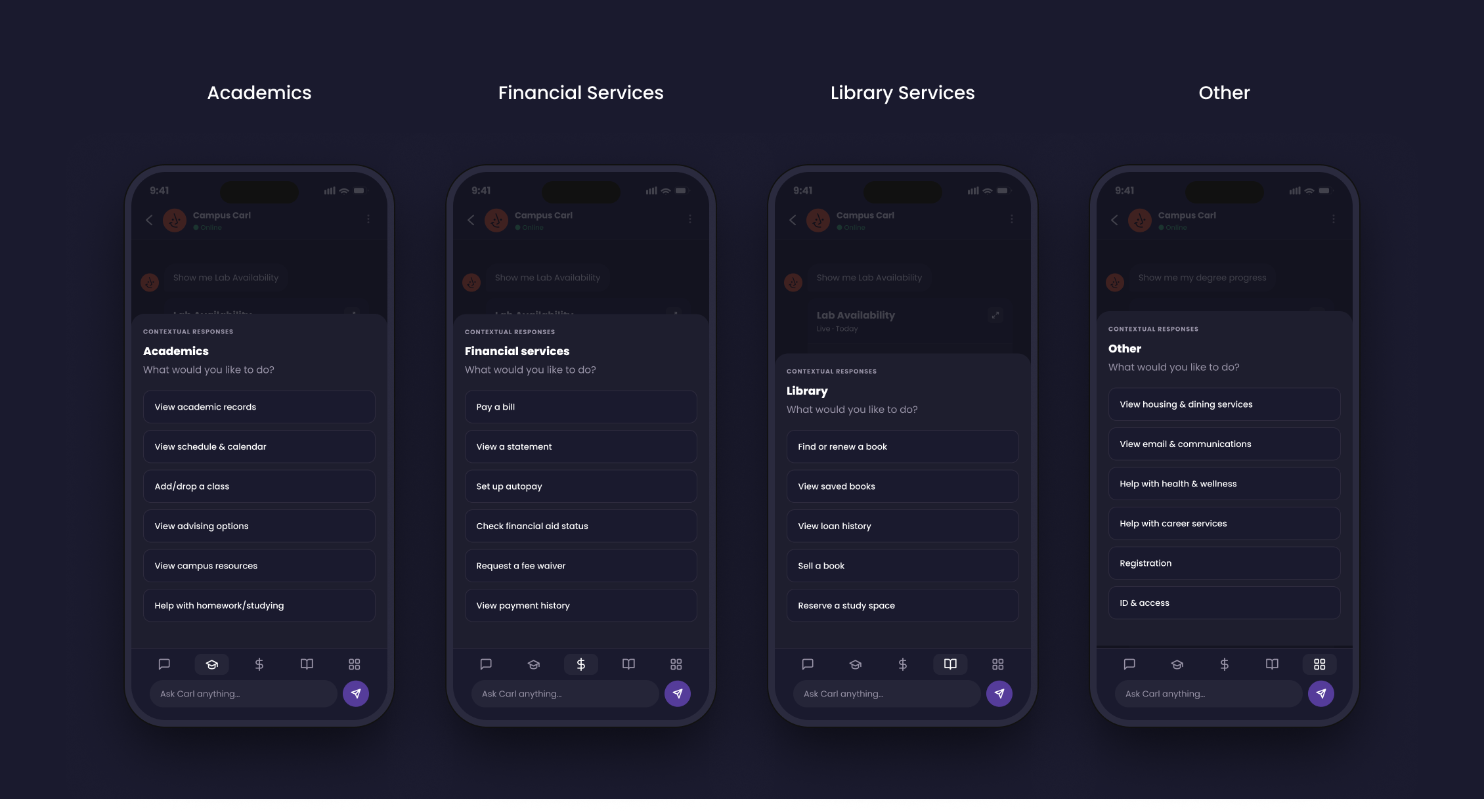
Conversational baseline — Most interactions start with a conversation so the system can determine a learner’s intent in an open-ended way. Pre-determined contextual responses are also provided to help learners navigate what actions are available during a given interaction.
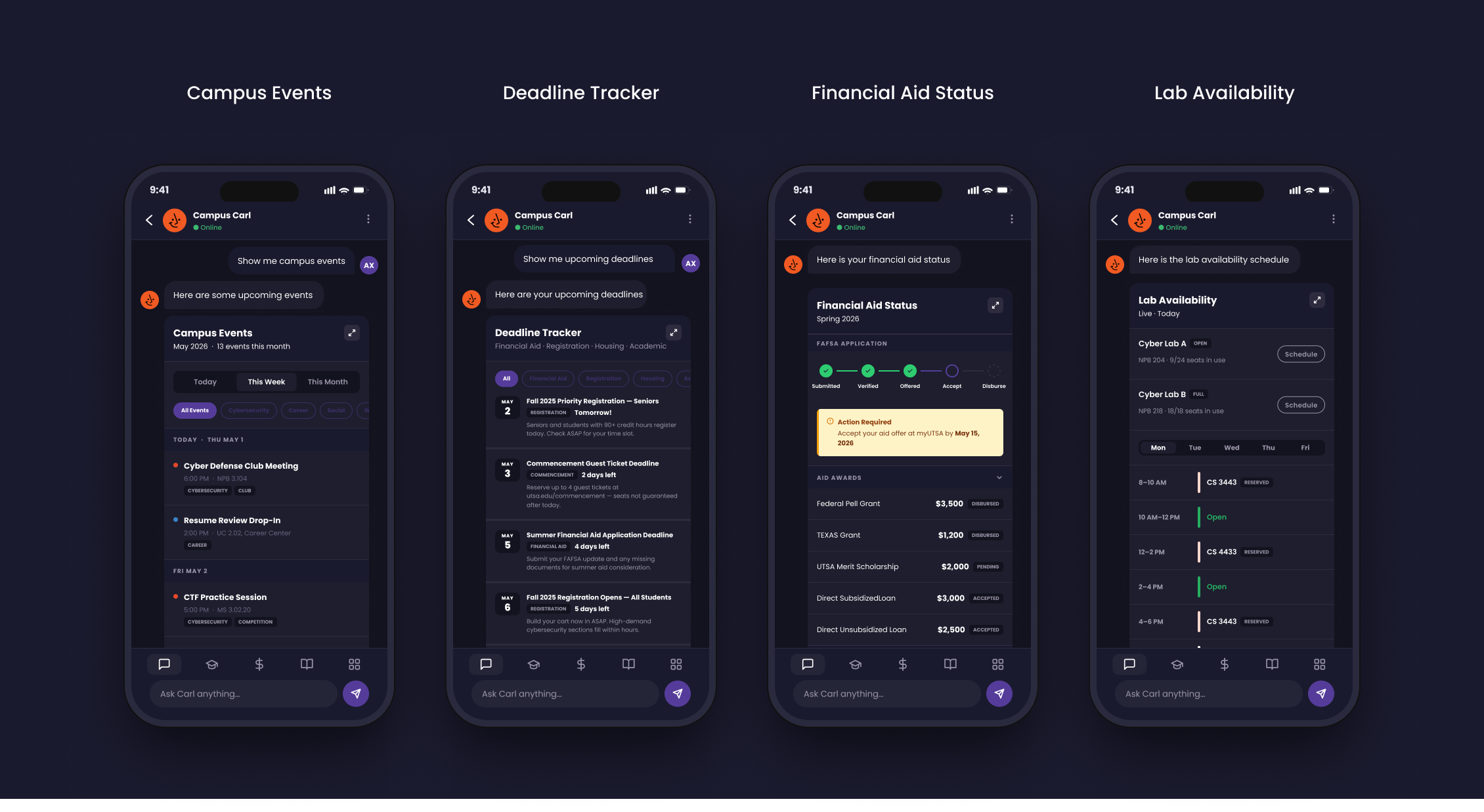
Inline applets — When a particular action is more complex, small apps more consistent with traditional UI are contextually surfaced inline by the system.
03 RESULT
I delivered a strategic concept: personas, journey maps, a component library, and an AI-companion prototype. Production sat outside the engagement scope and went to Salesforce, but the conceptual framework, particularly the multi-agent orchestration pattern and the conversational/traditional UI handoff, fed into UTSA's subsequent platform direction.
04 REFLECTION
If I could go back, the artifact I'd most want is six months of usage data on the conversational/traditional split, which queries got dropped from chat into UI, and how often students bounced back.
This project reinforced the importance of designing for ambiguity. Educational journeys are rarely linear, especially for nontraditional students whose goals, responsibilities, motivations, and schedules continuously evolve. Designing for this audience requires building systems that can adapt over time rather than rigidly prescribing a single path forward.
As AI becomes increasingly embedded within educational infrastructure, designing responsible systems that balance autonomy, trust, and oversight will become just as important as the interfaces themselves.